

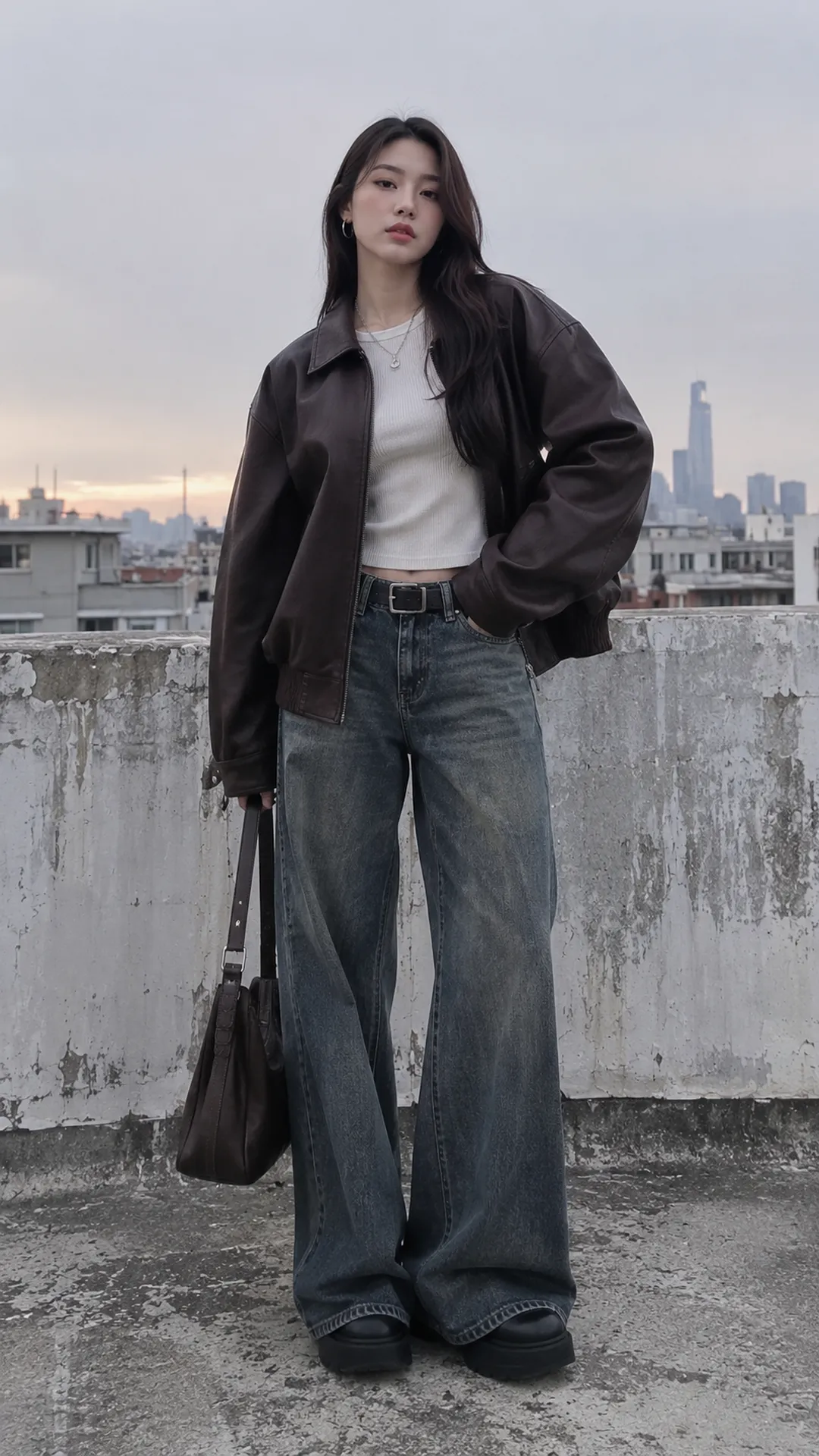
What is outerwear, and how does a jacket fit in?
Oxford Learner’s Dictionaries describes outerwear as clothes such as coats worn over other layers, especially outside. The term covers many cuts, materials, and levels of warmth.
Jacket is a common name for several kinds of outer layers. Look at the silhouette and specifications for the individual garment. A thin cropped jacket does a different job from one with a thick lining. The category alone tells you little about rain protection, wind resistance, or seasonal use.
Distinguish the cut from the material. Bomber refers to a family of silhouettes, denim is a fabric, and long describes the length. These labels can overlap. Focus on how a garment is made so you can choose one that works for you.
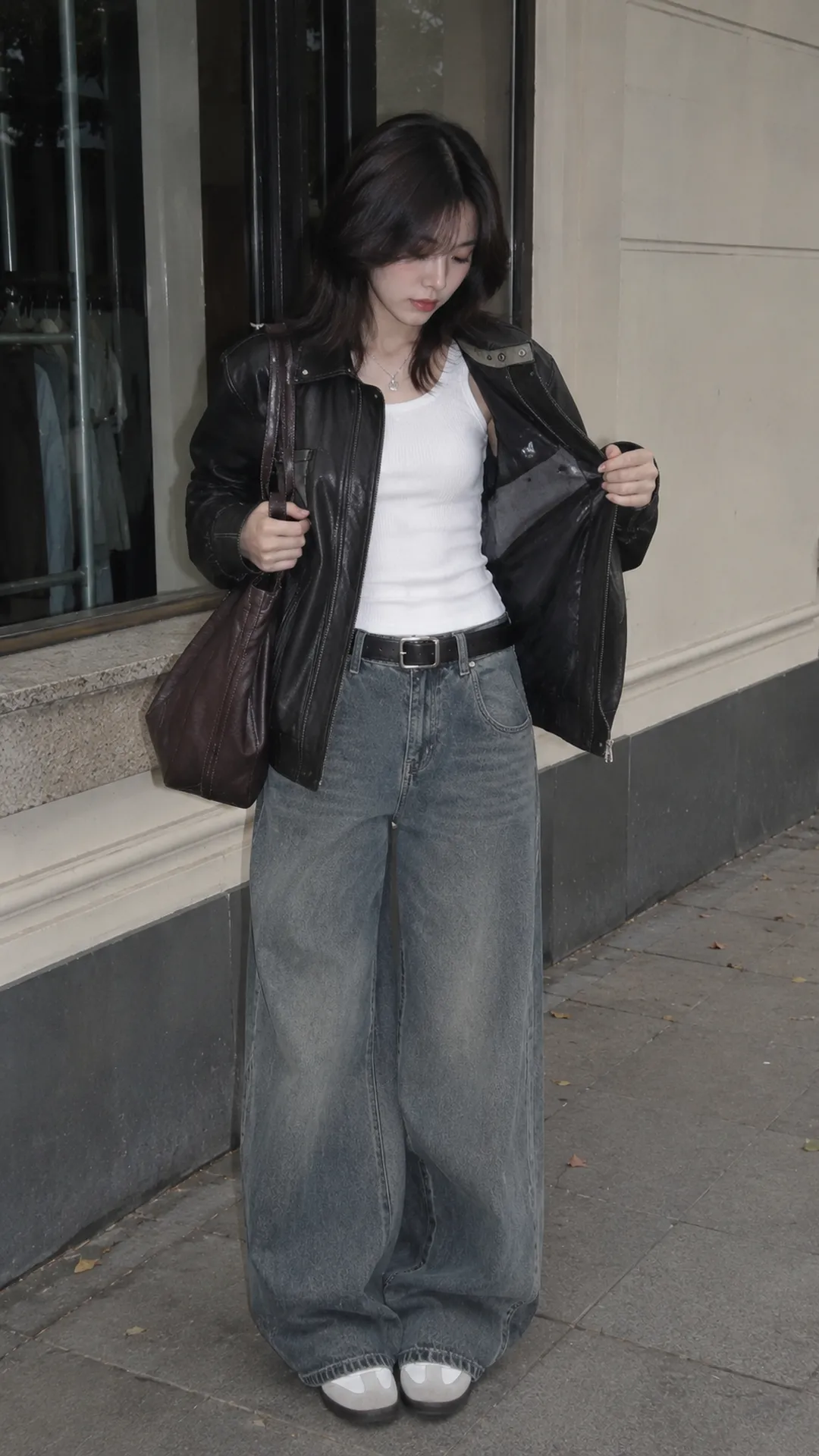
Choose a category for your main need
| What you want | Styles to try first | What to check |
|---|---|---|
| Definition at the shoulders and through the body | Blazer or structured jacket | Shoulders, armholes, and body length |
| A short layer with volume | Bomber or blouson | Hem band, sleeves, and fullness |
| A recognizable casual texture | Denim jacket | Stiffness, wash, and length |
| A more prominent texture | Leather jacket or suitable faux-leather alternative | Material, lining, and weight |
| A layer that’s easy to take off during the day | Overshirt, cardigan, or lightweight jacket | Thickness and ease of carrying |
| Protection in specific weather | Outerwear with clearly described performance | Specifications for the exact garment |
Use the table as a starting point. Features vary by garment, so check the specific design and try it over the clothes you’ll wear underneath. If you mainly want a layer for an air-conditioned room, a heavy jacket photographed in the snow may be more than you need.
Outerwear styles and where to read more
Blazer: Start with the structure
Blazers can be fitted, oversized, short, or long. Check the shoulders, length, and button placement before deciding what trousers to wear. A structured jacket can also work outside the office, depending on the top and bottoms you pair it with.
For more on cuts and outfits, see our women’s black blazer guide. At this stage, decide whether you want a neat shoulder line or a roomier silhouette.
Bomber and blouson: Look at where the hem sits
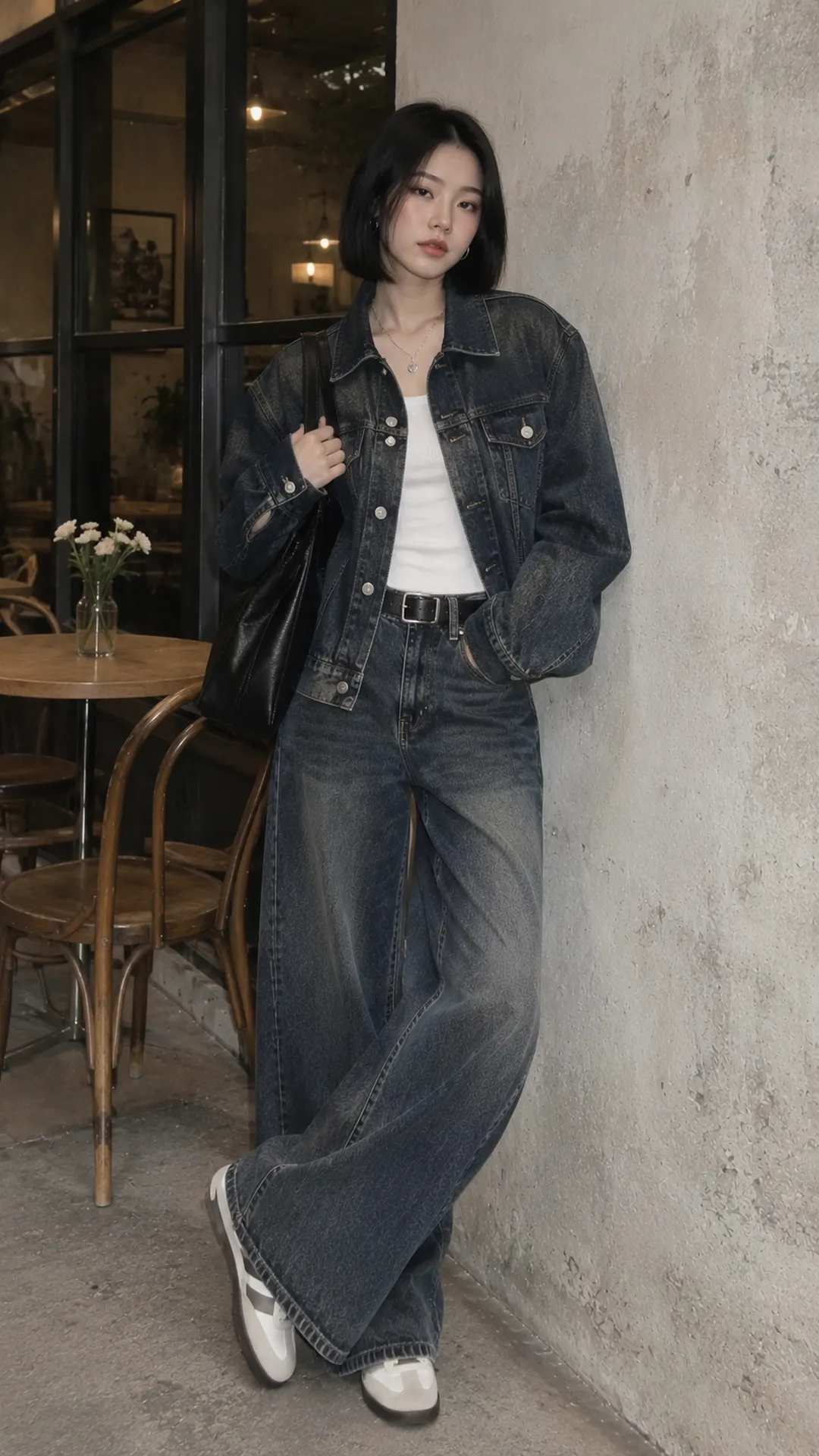
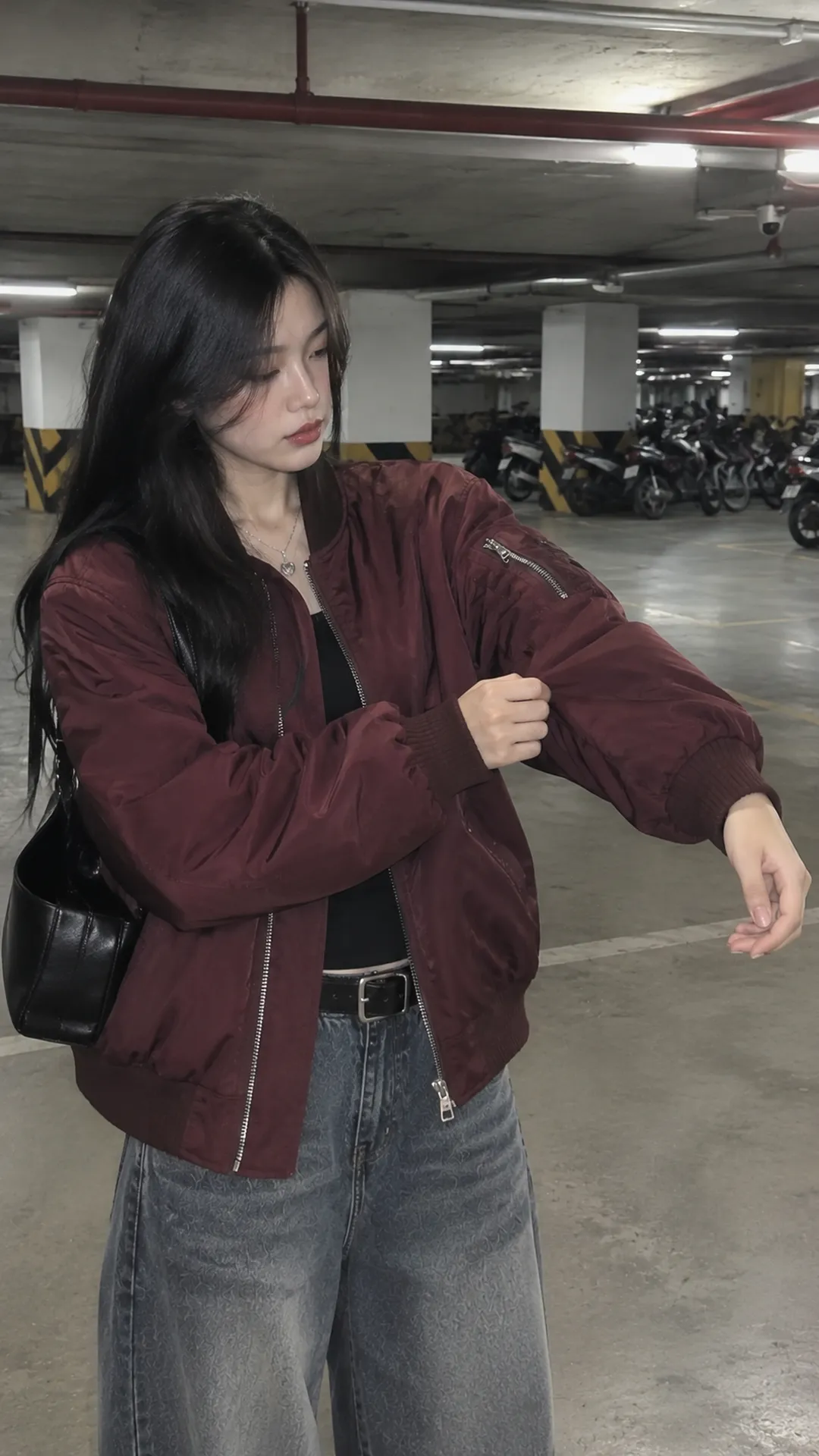
Bombers often add volume through the body and sleeves, so watch where the hem band sits. A change in where it meets your hips can alter the proportions even in the same size. Zip and unzip it and sit down to see whether the body bunches up.
Oxford describes a blouson as a short jacket with a fitted waist. Retailers may group it with bombers, though individual garments can differ. Our guide to styling women’s bomber jackets helps you choose a base layer and bottoms once you know the shape you want.
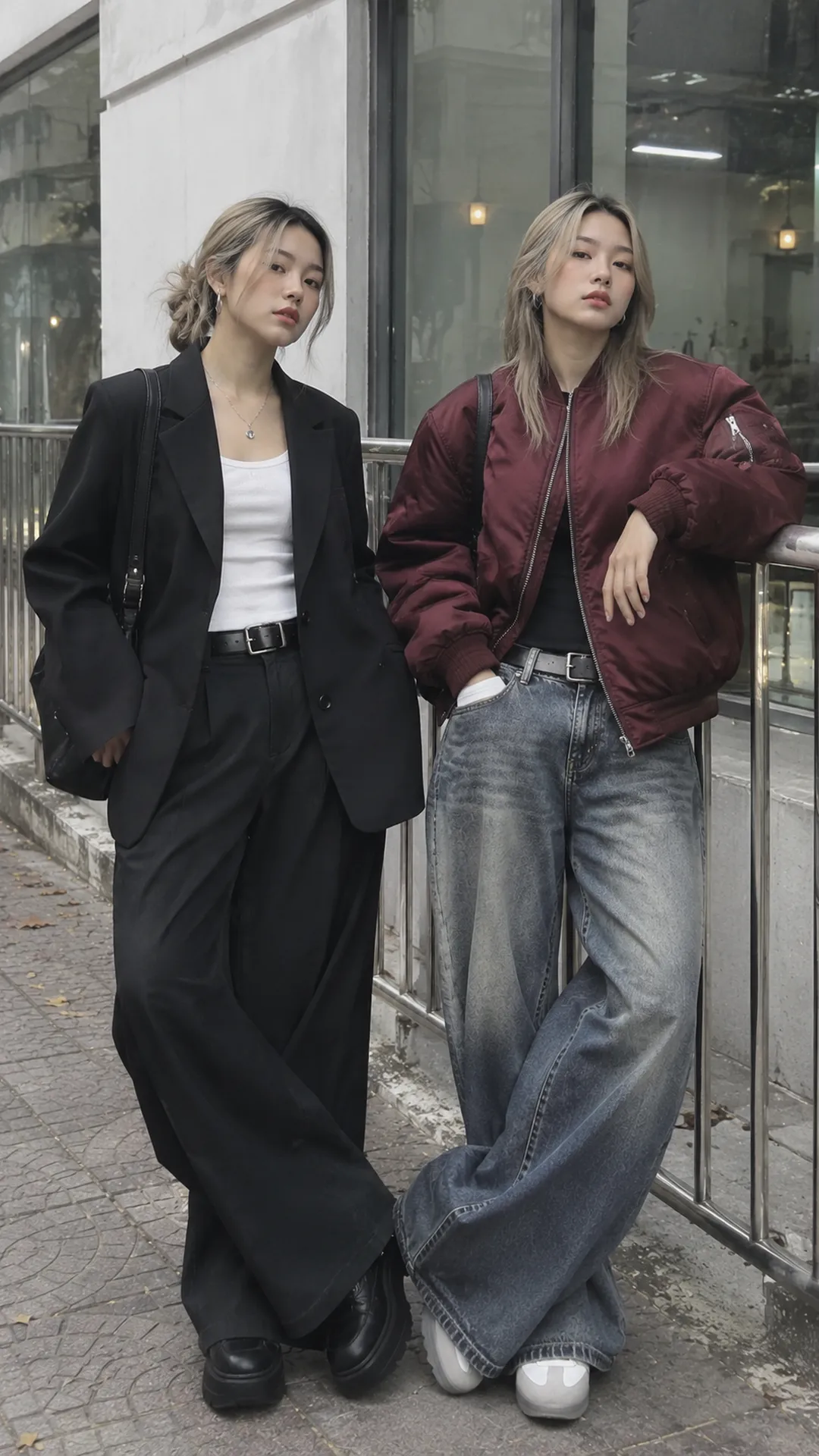
Denim jacket: Check stiffness and wash
Denim jackets can define the shoulders, but stiffness and weight vary by garment. Reach forward with your usual base layer on and check for room around the armholes. A larger size alone may still be awkward for layering.
Light, dark, and faded washes give different effects. Our women’s denim jacket guide covers those choices and explains how to wear a denim jacket with other denim pieces.
Leather jackets and similar finishes
Ask what the jacket and lining are made of and how to care for them. A shiny finish alone tells you little about the material, and leather and faux leather can require different care. Check the weight, ease of use, and care instructions before choosing.
Cropped, long, or oversized jackets and designs with a lot of hardware make different statements. Our women’s leather jacket styling guide covers specific outfits. Start by deciding whether you want the jacket to blend in or stand out.
Overshirts, cardigans, and lightweight jackets
These can work when you need an easy layer to put on and take off. Look at how each one is made. A thick overshirt feels different from a thin shirt, and a cardigan’s weight depends on the knit. If you’ll take it off for most of the day, try carrying it or packing it in your bag.
Check the cuffs, pockets, and fastenings. A light jacket with lots of straps or awkward closures can still be impractical in transit. Start with the base outfit and choose an outer layer that does the one thing it needs.
Read the product name without guessing at performance
Read labels like “sport jacket” and “M65 jacket” in the context of the specific garment. A word such as “sport” can describe a style, and a model name alone gives you little information about weather protection. Look at the photos, construction, and description of the exact product.
For rain or other specific conditions, look for performance details from the manufacturer. Technical-looking fabric or a large hood doesn’t establish what the jacket can handle. Ask for details before buying if the listing is unclear.
If a listing calls a jacket the “hottest style right now,” see how it works with your weather, routine, and wardrobe. You can enjoy a trend and still choose a piece you know when and how you’ll wear.
Check the fit with the layers you actually wear
- Wear your usual base layer, including long sleeves if you plan to layer them.
- Fasten the jacket and reach both arms forward to check the back, shoulders, and armholes.
- Sit down and see whether the hem rides up or the buttons or zipper pull.
- Put on your bag to see whether it shifts the shoulders or collar.
- Take the jacket off and put it back on. Check whether the inner layer bunches or comes untucked.
A roomy fit can still be neat in places. You might like dropped shoulders without wanting the sleeves to cover your hands. A close fit still needs room to move. If a zipper or button front strains, reconsider the size or shape.
If you use several base layers, try the jacket with the thickest one you’ll actually wear, then with a thin one. Extra space for a rare occasion may make the jacket harder to wear most of the time.
Give each layer a role
Look at the base layer, jacket, and bottoms together. If the jacket adds most of the volume, a relatively close base layer can make the proportions clearer. If the top underneath has several details, a simple outer layer can balance them. You can still pair two roomy layers if you like the effect.
Check length on the whole outfit. A cropped jacket can define the waistband, while a long one gives a vertical line and may cover a trouser detail you want to show. Look at where the individual pieces meet as well as your height.
Our guide to layering women’s outfits covers what each layer can do. Check that the outfit still works when you take the jacket off and that you can put it back on without readjusting everything.
Plan for the weather and for carrying the jacket
On a hot day with time in air conditioning, a layer that comes off easily may be more useful than a heavy jacket. Check the weight, lining, and how it can be folded according to the care guidance. Consider how it feels to carry as well as wear.
If you’ll ride in a vehicle or carry a backpack, check whether the hem, ties, or hood get in the way. Keep the details you’ll use. Check whether you can reach the pockets while wearing your usual bag.
Decide where the jacket will go when you take it off. Will you have a hanger, a chair, or just a small bag? That helps you decide between a structured piece you want to keep in shape and an easy layer you can carry.
Choose a jacket that works with three outfits you own
Try the jacket with three outfits you already have: one with jeans, one with straight-leg trousers, and one with a skirt, dress, or another garment you often wear. The outfits can be quite different as long as the jacket fits each one and works with the accessories you own.
When the jacket arrives, check the zipper, buttons, seams, lining, and pockets. Read the care label before cleaning it for the first time. Denim, leather, coated fabrics, and knits can each need different care. Consider whether you can keep up with it before deciding to keep the jacket.
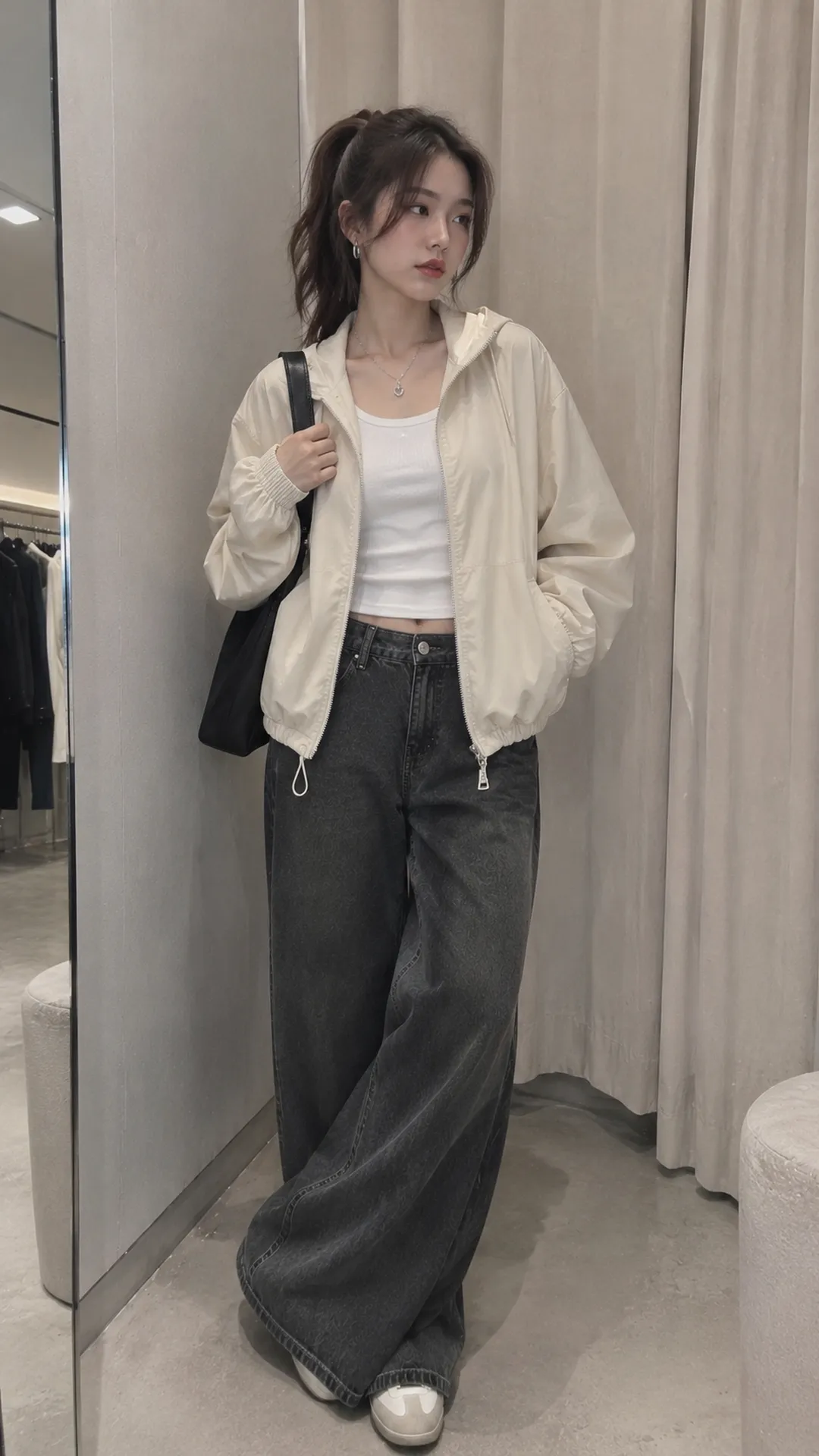
For more ways to choose a top or jacket by type, see our women’s tops guide. Once you’ve chosen an outerwear category, use the guide for that style to put together outfits with it.
A jacket earns its place in your wardrobe when you know when to wear it, what goes underneath, where to put it when you take it off, and how to care for it. Those answers will help long after a product name stops trending.