

Look at width and height before color
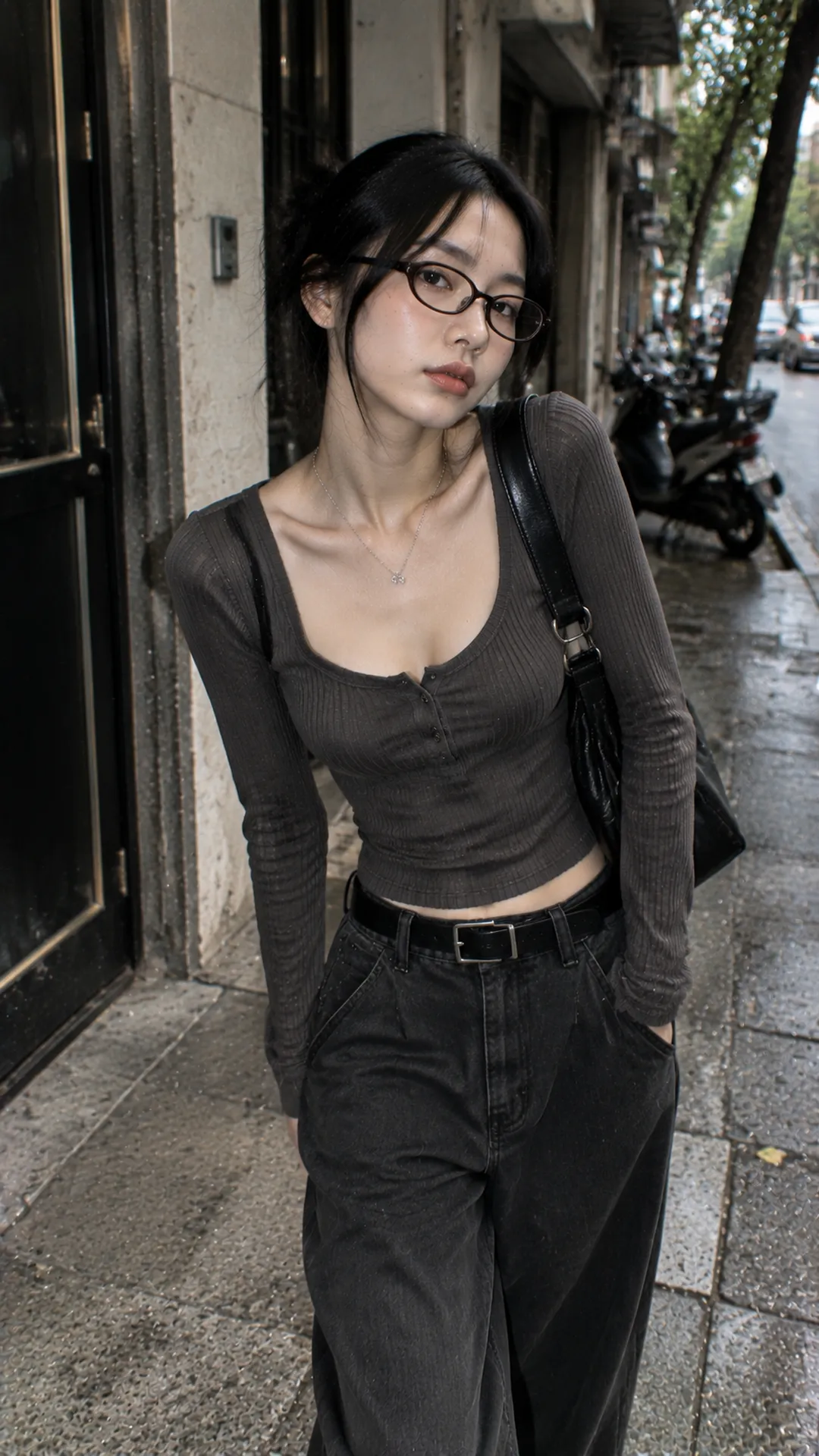
Narrow ovals: a clear horizontal line around the eyes
Vertically shallow designs feel compact and more horizontal. Try them at your normal wearing position rather than deliberately low on the nose like a fashion pose. Photographic appeal does not establish everyday visual or practical suitability.
With shallow frames, brow distance and rim presence readily draw attention. Look relaxed, speaking and smiling. If the right appearance requires a fixed expression, try a slightly taller model or different rim before rejecting all ovals.
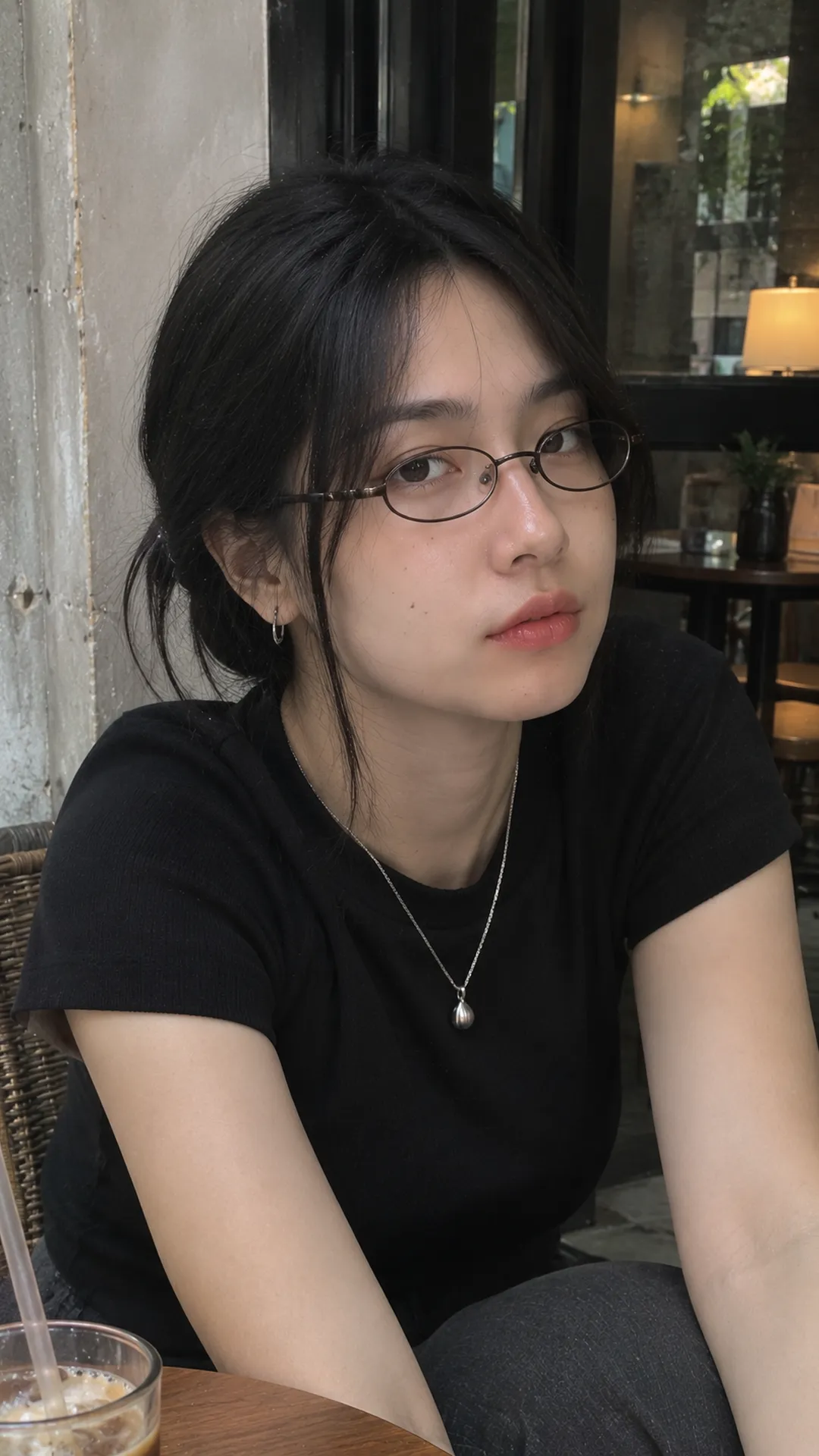
Fuller ovals: more height within the outline
Fuller shapes retain noticeable lens height while remaining wider than tall. They offer curves without extreme shallowness. Compare upper and lower rims: a slightly flat top differs from uniform curvature despite the same sales name.
Compare images at equal distance and eye-level angle. Enlarging one but not the other distorts perceived size. Better still, try directly and take half-body photos including hair, collar and shoulders.
How rim thickness changes prominence
Thin rims make the oval a line; thick ones create a distinct eye surround. To retain shape without dominating, reduce thickness rather than continually shrinking size. For emphasis, contrast and thickness can work without an oversized frame.
Visual weight differs from physical weight. Slender-looking frames still need nose and ear comfort checks; broad ones may use different materials and construction. Specifications guide questions, but the actual pair establishes wearing feel.
Choose a priority in a detailed outfit. If thick ovals lead, earrings or necklace can be quieter. The expressive women's accessories guide distributes attention across face, neck and other areas instead of concentrating every statement in one place.

Use measurements to shortlist before fitting
Warby Parker explains that common temple numbers describe lens width, bridge and temple length in millimeters. Lens height and total front width are separate. Height is particularly useful for distinguishing shallow from fuller ovals.
The first number alone cannot establish facial size. Thick rims, wide temple joins or another lens shape can change total span. Online, request a dimensional drawing if available and use comfortable current frames as a reference.
Two models with similar lens widths can differ if one is clearly taller. An ideal-ratio calculation is unnecessary; identify the variable for a purposeful trial. Missing height or side photos are information to request.
Check fit separately from shape
According to the eyewear fitting guide, look for a comfortable bridge, no sliding or unpleasant temple pressure, and cheeks that do not lift the glasses when smiling. Dimensions only start the process; actual fitting remains necessary.
Rest the frame normally, bend gently, look forward and smile. Note repeated adjustments to discuss with the seller. Have a qualified person adjust the specific construction rather than bend from generic instructions.
For prescriptions or specialized lenses, ask the optical provider about compatibility before choosing a shallow oval. Shape is aesthetic; lenses and mounting position need actual requirements. Avoid buying solely for photos then discovering it cannot serve its intended use.
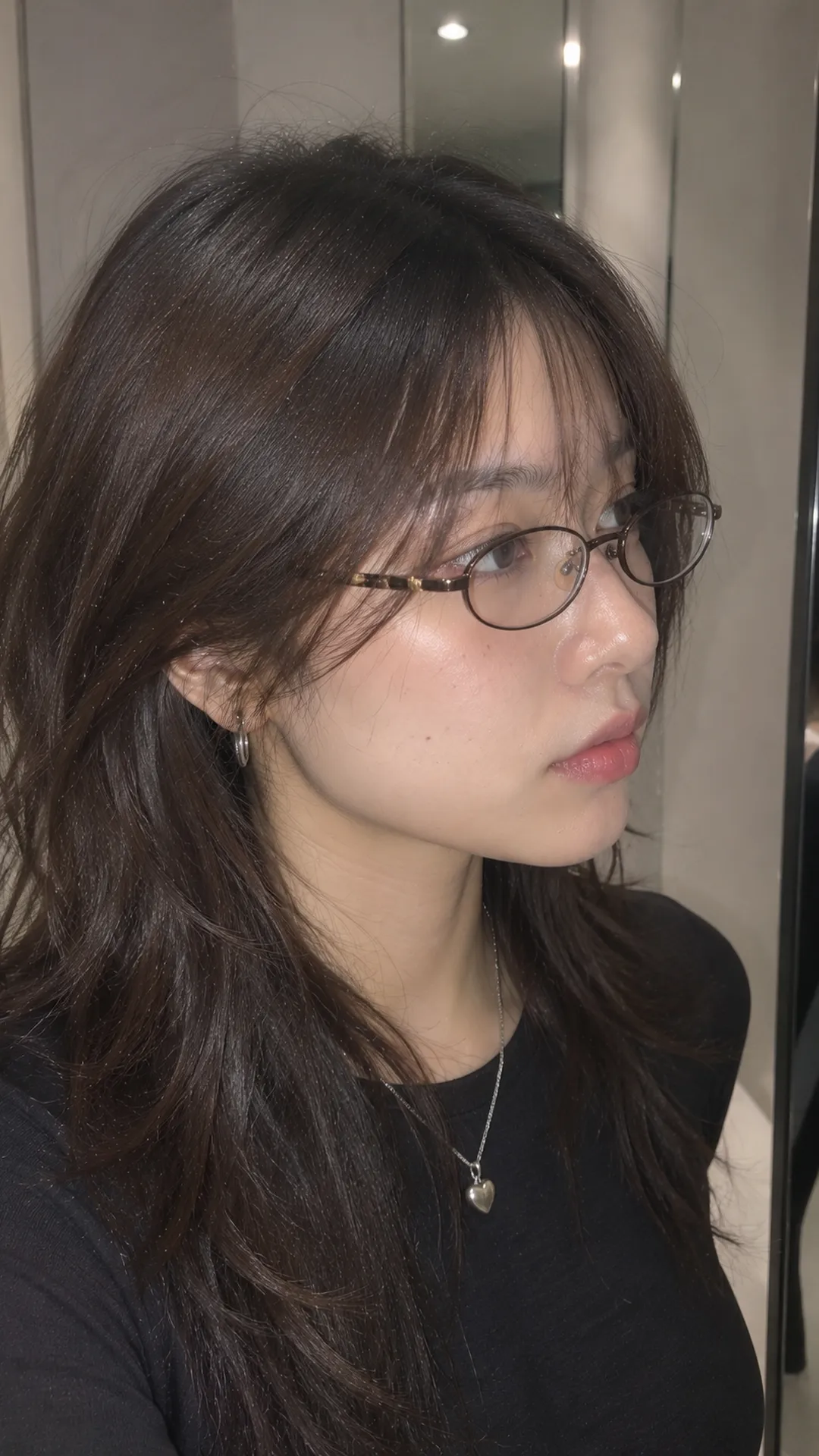
Use curves for an effect rather than a facial restriction
Oval curves can soften angular lines around the eyes. Curved faces can also repeat their own lines. Compare fullness, thickness and width instead of excluding the entire category through a face label.
For less attention, try tones related to hair and clothing or thinner rims. For a defined outline, increase contrast or thickness. These adjustable choices need not frame your face as a problem to fix.
Keep hair, top and lighting consistent between models. Once a preferred pair emerges, try hair and accessory changes. Sequential testing shows whether the result comes from glasses or surrounding styling.
Hair, earrings and collars around oval frames
Fringes: inspect space above the rim. Thick fringes with shallow ovals create nearby horizontal lines; retain or gently move them according to preference. Daily practicality should not require precisely arranged hair at every moment.
Tied or ear-tucked hair: temples and earrings show more. Start with compact earrings, then enlarge if needed. Compare side metal details with earring color and shape to avoid small crowded elements.
Structured collars: lapels, buttons and oval curves create rhythm near the face. Let curves soften an angular jacket or use bold rims for clarity. For another accessory area, the essential Alt Fashion accessories guide suggests additions at wrists or waist.
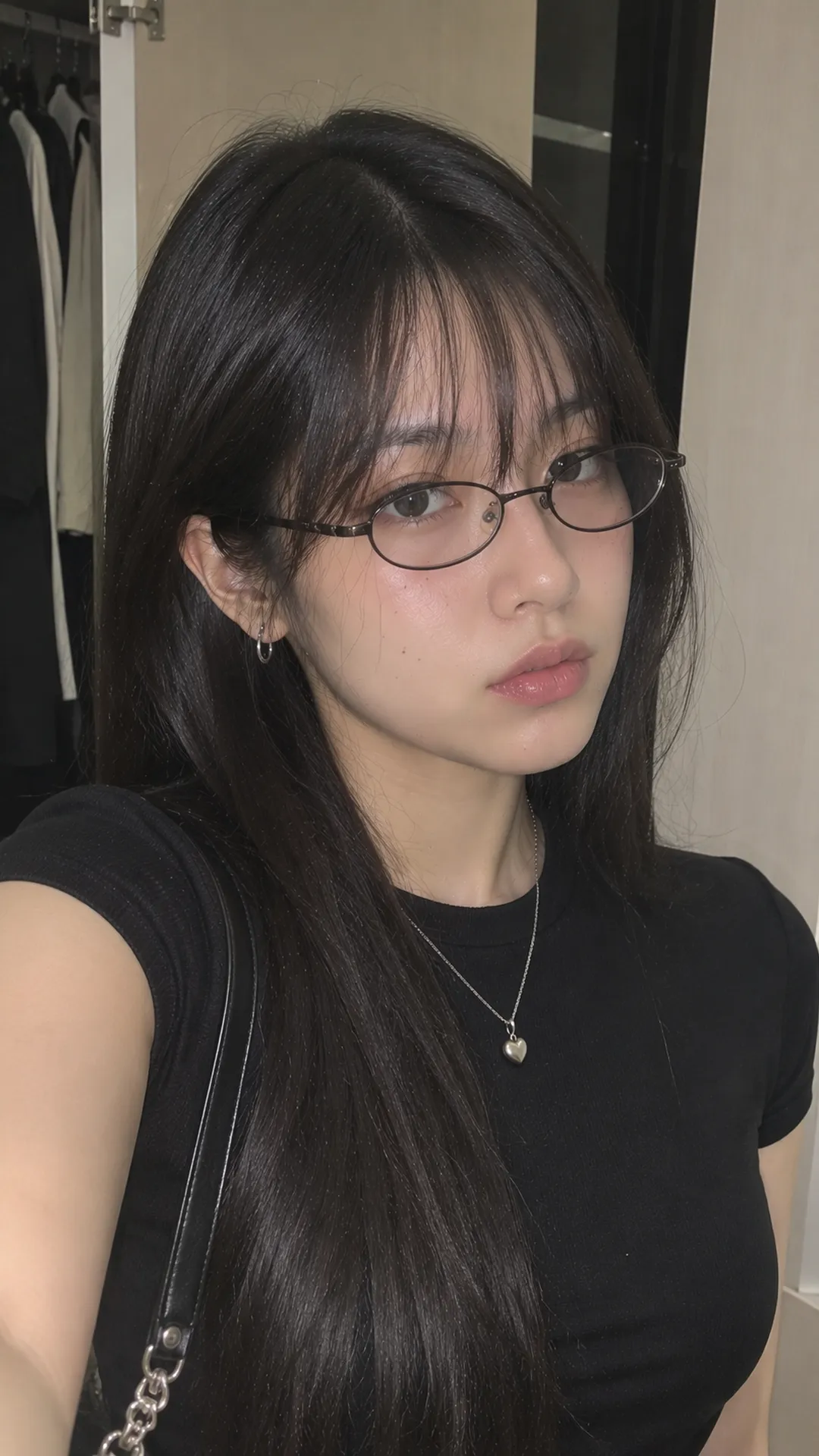
Three directions to try with existing clothes
A shirt, neat trousers and thin ovals
Start with a plain, stable collar, defined trousers and thin rims. Curves contrast with the collar without abundant detail. For less office formality, switch to a simple open-neck top or adjust the tuck.
Check metal colors in ordinary light. Silver or gold names do not identify composition but can guide color links. One small related bag detail is enough; a matching set is unnecessary.
A tee, wide trousers and bold ovals
A relaxed base lets thick rims focus the face. Start with minimal graphics to identify the glasses' role. With many trouser pockets, fasteners or seams, simplify other pieces for readability.
For another top while retaining proportions, see the women's tops styling guide by fit. A short and a long untucked top can change the frames' place in the overall image despite unchanged facial details.
Dark clothing and contrasting ovals
Light frames or thin metal stand out beside dark hair and tops. For one face-area focus, try neat hair and small earrings. For several details, retain a color or geometric connection so each has a reason to appear.
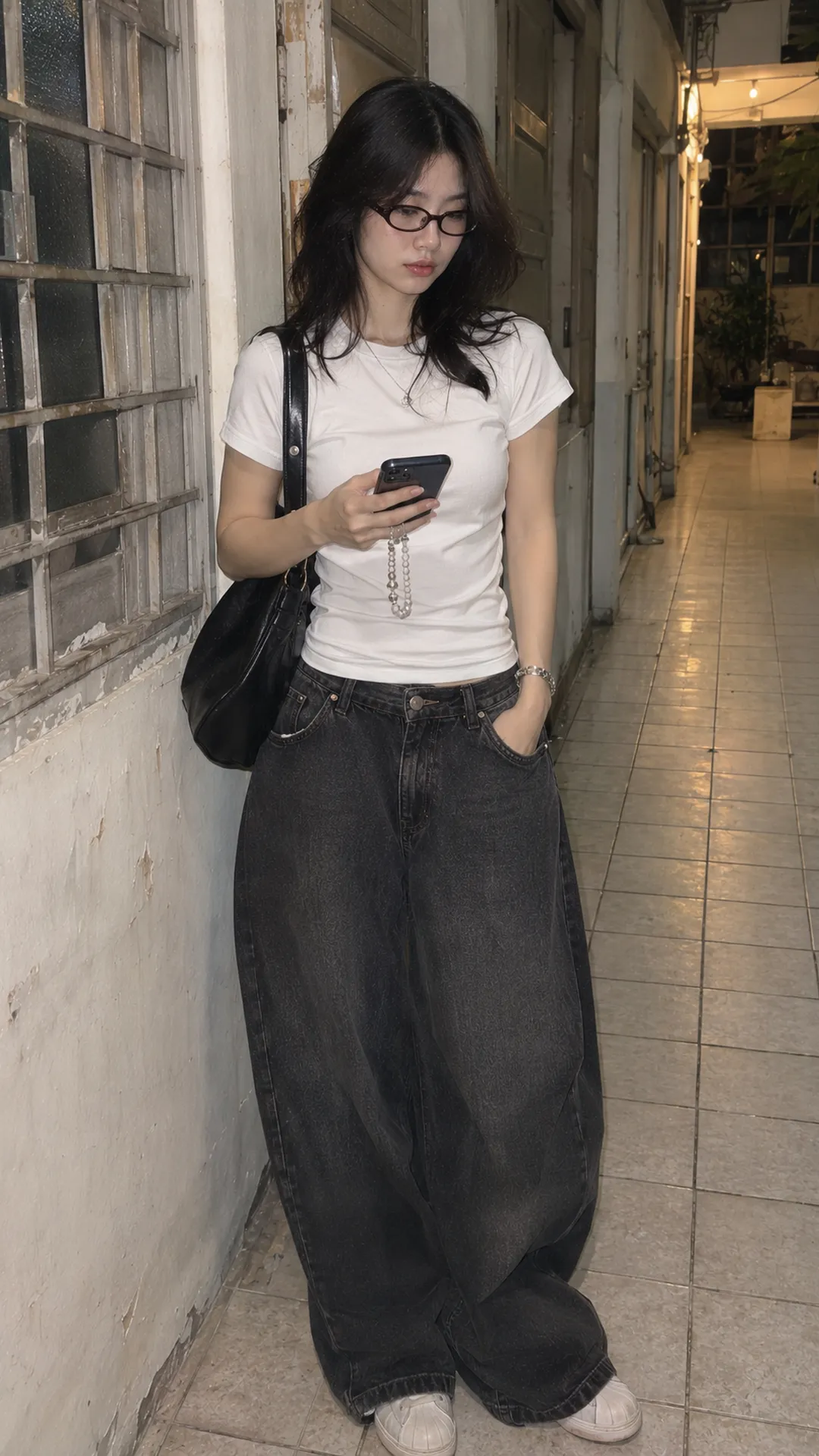
Avoid buying from one posed image
Record whether the reference attracts you through a shallow oval, thick rim or hairstyle. Creating a fashion moodboard turns general impressions into criteria, helping find a similar effect without needing the exact item.
Before ordering, check front and side views, dimensions, materials and adjustment or return policies. For daily glasses, try headphones and usual hair accessories where possible. These interactions may decide whether you want to rewear the pair or only enjoy its appearance.

Oval frames are worth choosing when curve, proportion and fit meet your needs together. Let oval or egg-shaped start the search, then actual shape and fitting finish it. A suitable pair should not require one fixed face angle or hairstyle.