

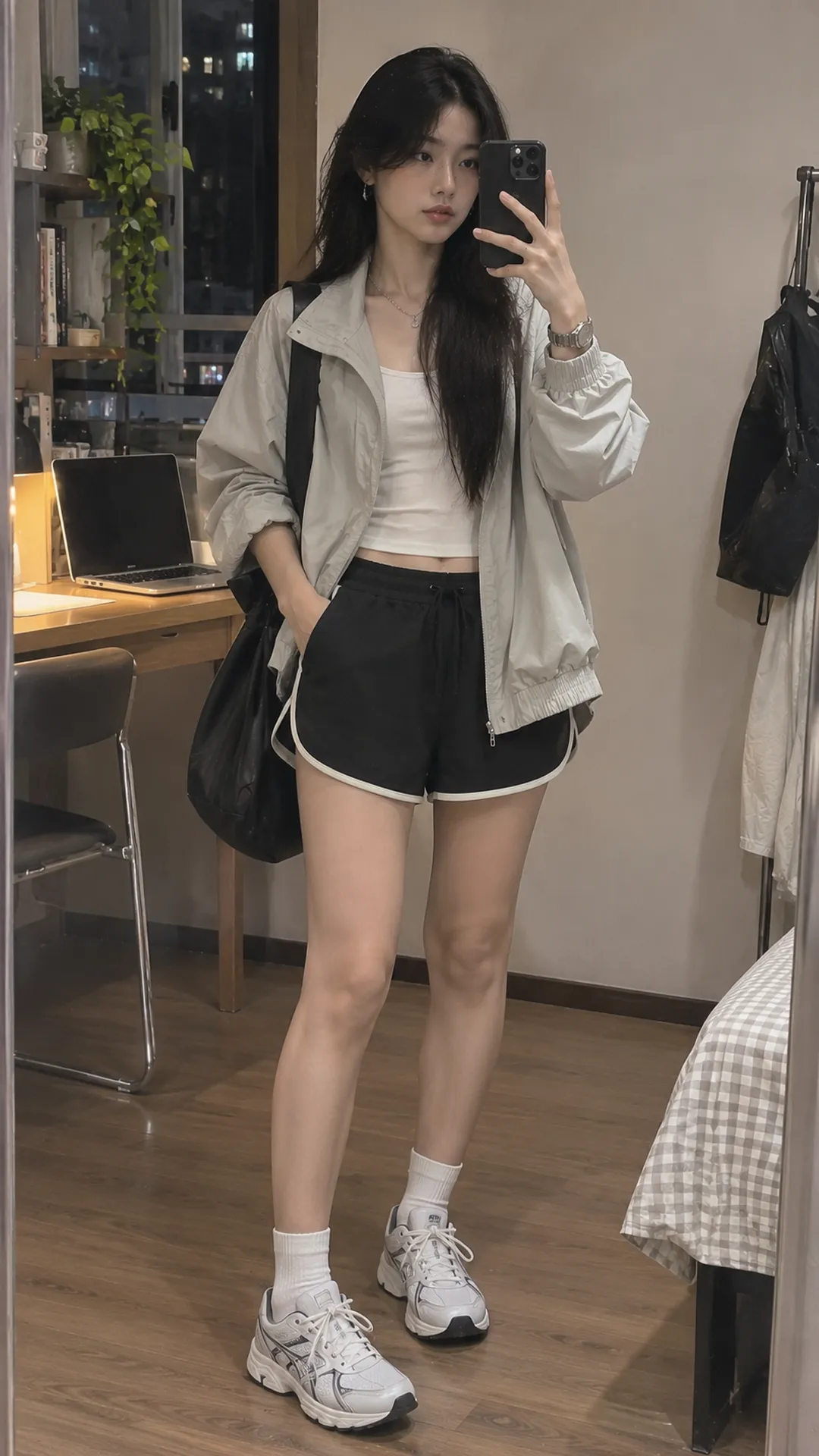
Define walking needs through an actual route
Much walking may mean brief stretches between sitting, continuous park exercise or a day of stairs and sightseeing. Note surfaces, uninterrupted duration and carried belongings. These explain needs better than requesting the softest pair.
For pavements and indoor floors, check both contexts. Dirt or uneven terrain calls for designs intended for that environment. Walking on a box does not establish every-surface suitability.
Consider morning-to-evening use versus mid-day changes. Exercise shoes may pair with activity clothing; school or work footwear also needs dress-code compatibility. An established role reduces compromises.
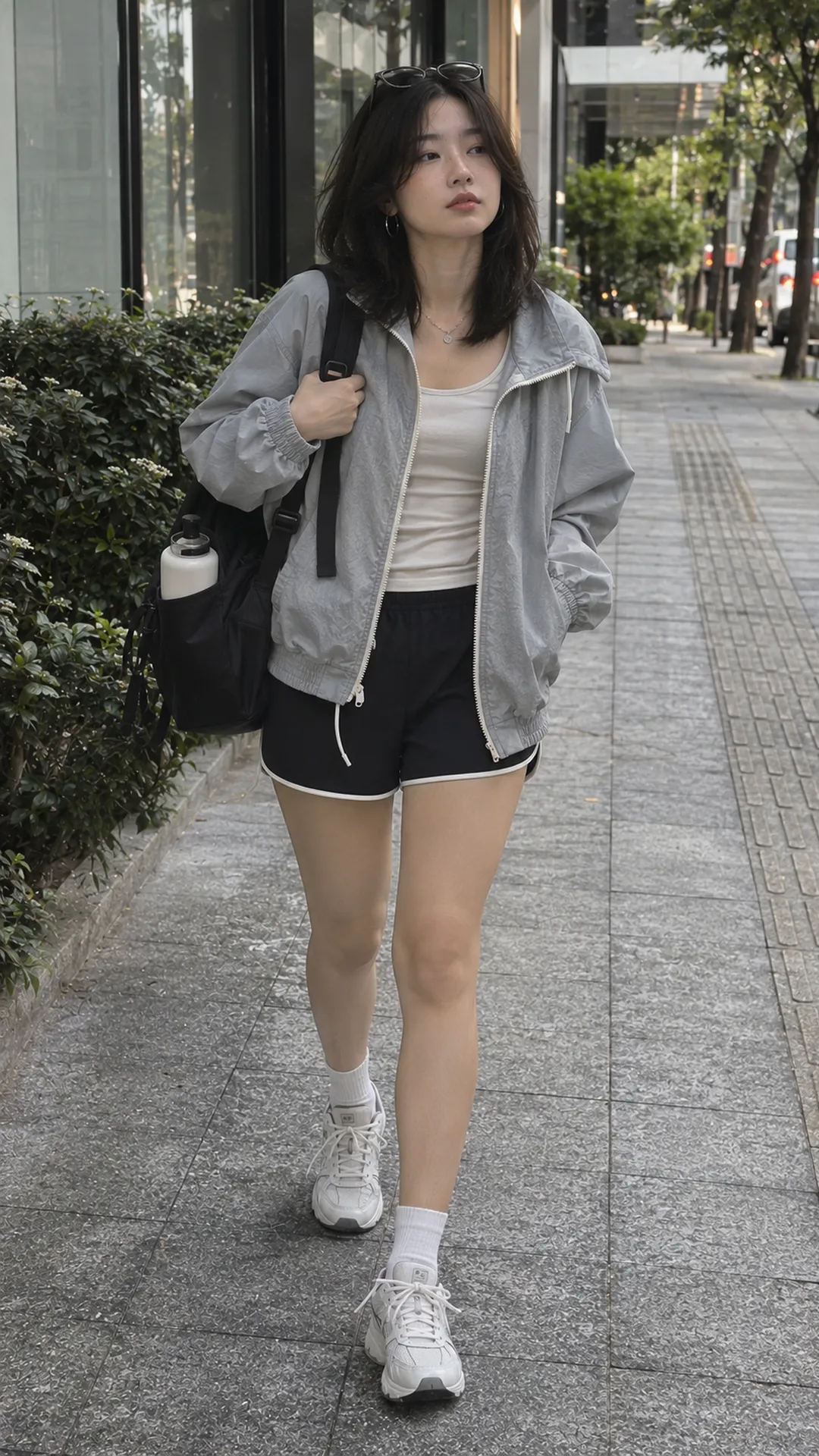
Walking and running: purpose beyond appearance
Running shoes are designed for running, though some can serve walking if fit and needs align. Dedicated walking shoes should not automatically be assumed suitable for regular running. Reassess when activity changes.
APMA describes running shoes around forward-motion impact needs. Ask the actual design's intended activity rather than classify by thick soles, athletic colors or laces.
Everyday walking need not require competition features. Expensive technology cannot make unnatural steps suitable. Compare several lasts for the same needs rather than commit to one model and compensate through sizes or inserts.
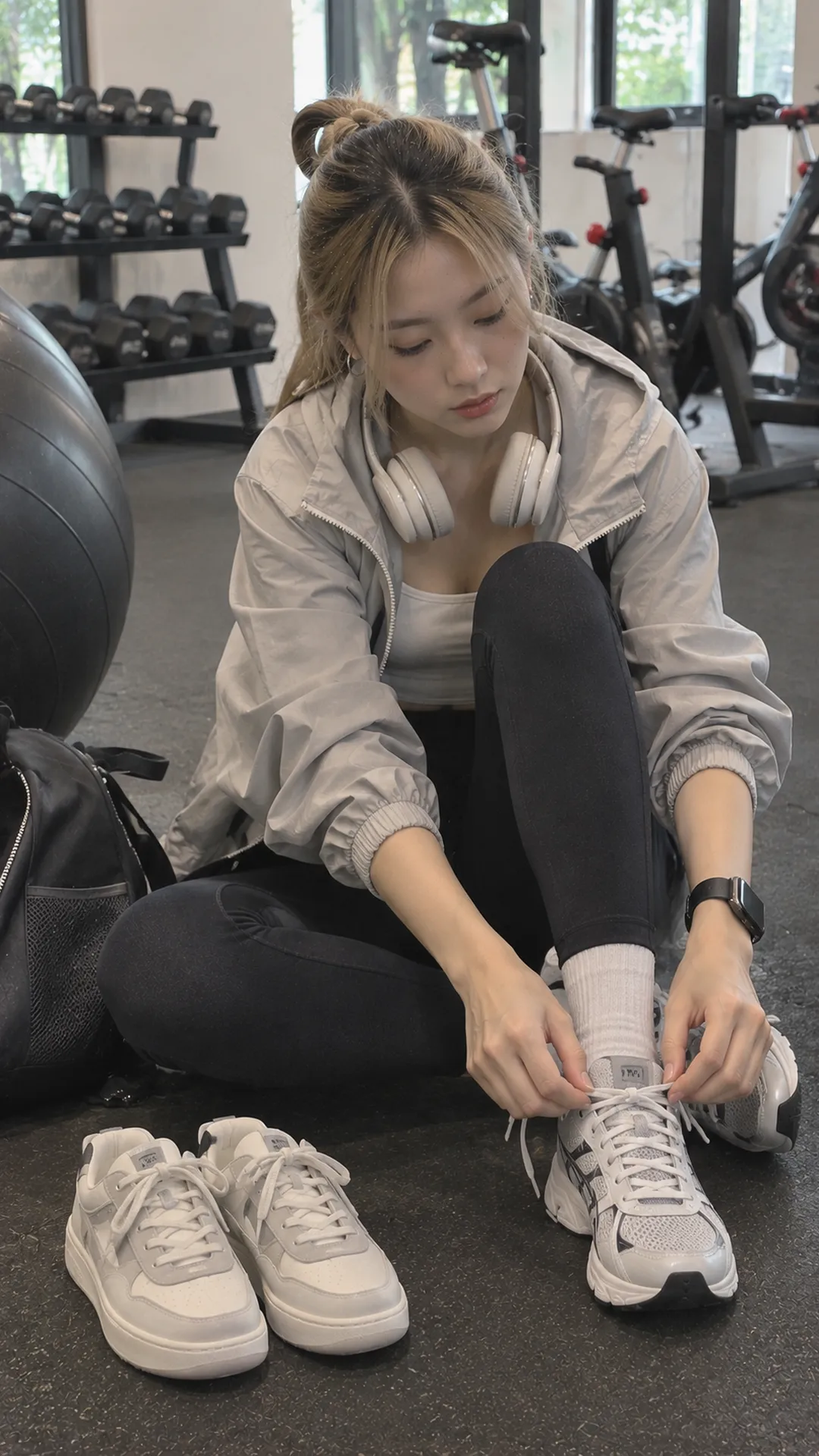
Fitting: check fit before softness
Use intended socks and try both feet
AAOS recommends athletic-shoe fitting late in the day or after activity, with intended socks, both feet and walking. Toes need room and heels secure hold. These outweigh matching an old box's number.
Bring professionally recommended personal inserts if used and ask about replacing insoles. Do not stack many layers to fill space. Interior thickness changes instep and toe room, requiring a complete retest.
Stand, walk and change direction
Fasten as intended. Walk slowly, then at your usual pace, turn and stop. Record exact pressure at toe edges, instep, collar or heel instead of only a wrong-size verdict.
Notice toe gripping or repeated heel readjustment. If gait changes merely to retain shoes, try another last. Length cannot necessarily resolve insufficient width, nor shortening an overly broad heel.
Compare two choices under equal conditions
Use the same socks, route and fastening. Do not compare a correctly adjusted pair with a loose one. Note best-fitting area, unresolved area and turning feel after each trial to remember similar models accurately.
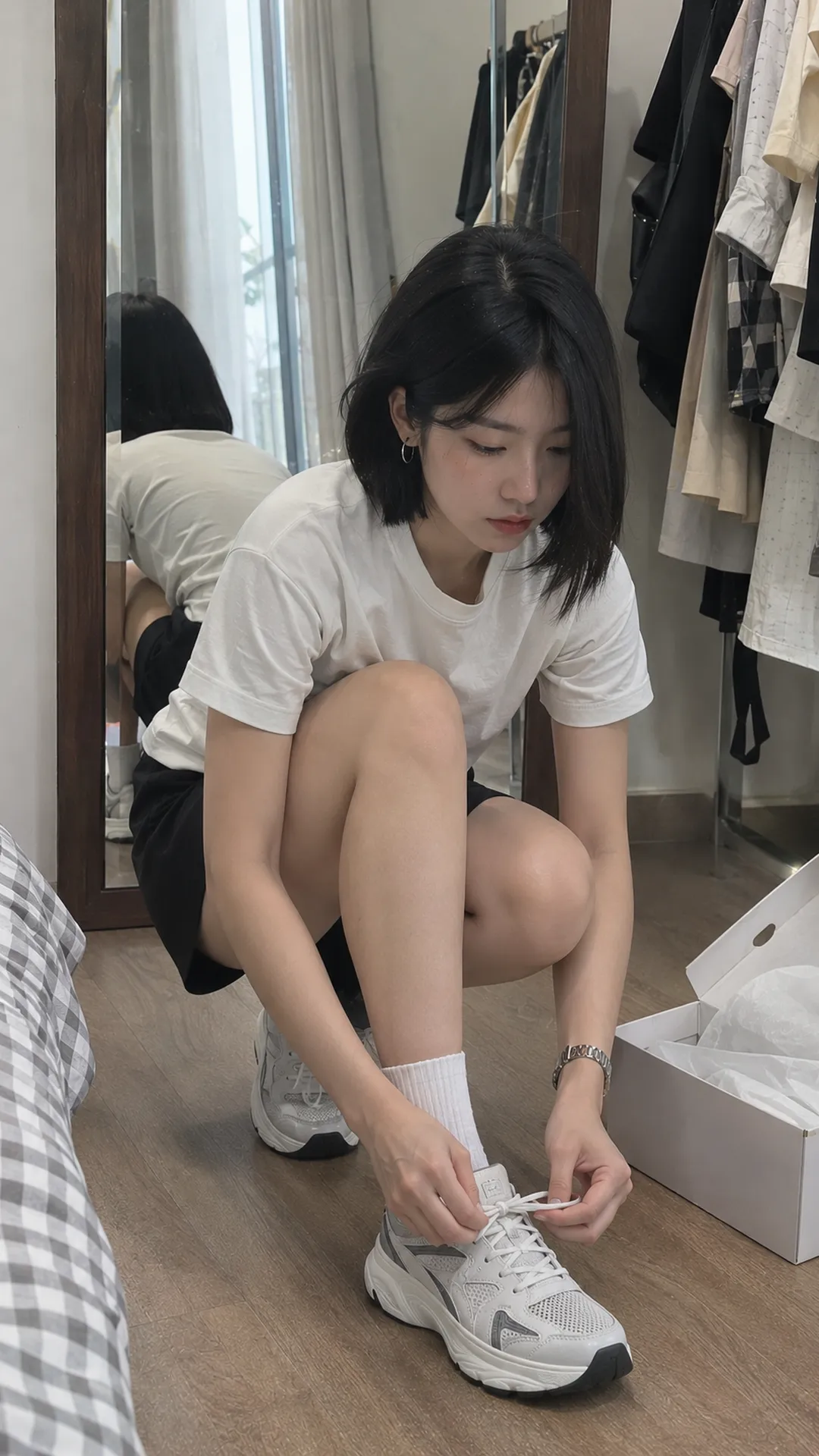
Read construction without turning figures into promises
The upper holds the foot, cushioning acts beneath and outsole contacts ground. Assess together. Squeezing side cushioning or forcefully folding the shoe cannot reproduce its full behavior while worn.
Thick soles add visual volume without establishing ideal cushioning for everyone. Check stable standing and natural transitions. Do not ignore wobbliness or deliberate effort at every step for wardrobe color compatibility.
Inspect outsole condition and maker-stated surfaces. Slip-resistance claims apply within stated conditions rather than guarantee every wet floor. Frequent rain use also needs drying time and care planning.
Ventilated uppers do not guarantee fast drying in every situation. Ask lining, materials and cleaning. Select the complete product rather than one fabric panel or sole layer.
Online buying needs the exact model's chart
Measure by the brand's method and clarify foot versus insole length. Compare width too if available. Choosing clothing and shoe sizes online explains measurements, with the final decision tied to the model.
Check exchange terms, accepted condition and extra costs. On receipt, inspect both shoes, seams, lining and level sole placement. Try indoors with clean socks before tag removal or outdoor use to preserve return eligibility.
Model images suggest proportions, not your fit. Another person's comfort review lacks their foot shape and use context. Use reviews to identify questions such as a low instep rather than guarantee outcomes.
Style everyday trousers and skirts
Straight trousers and a neat top leave room for soles
Set hems clear of ground and heels. Substantial uppers may transition more gently with moderate straight legs than tight ones, but this is a proportion choice. A neat top divides an already voluminous lower half.
The guide to choosing women's trouser shapes changes leg cuts while retaining comfortable footwear. Address excessive hems before choosing uncomfortable shoes to compensate.
Long skirts: check stride room too
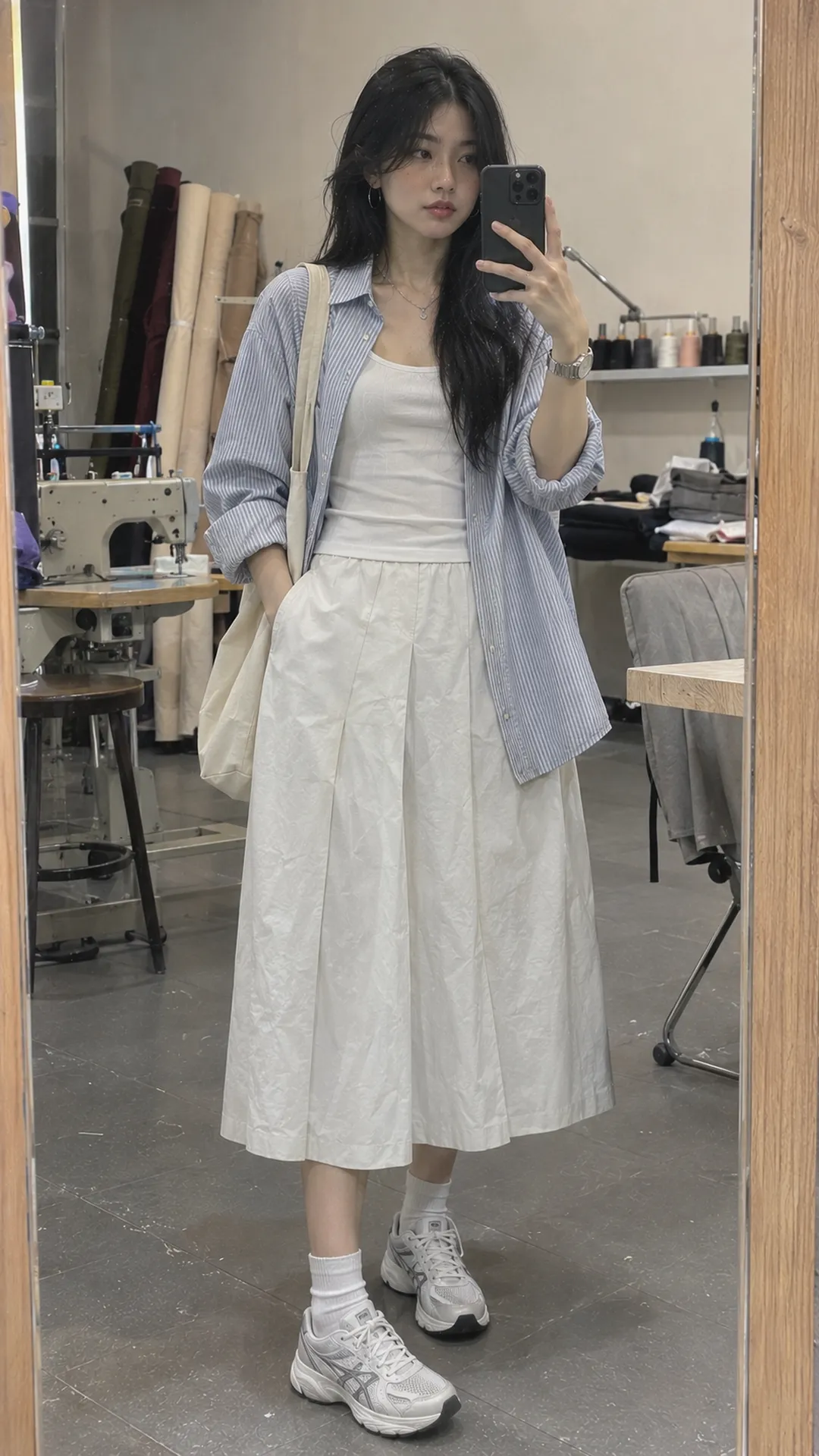
Gently A-line or adequately roomy skirts can serve daily walking. Stride and step up to check hem-to-toe catching. Detailed shoes benefit from plain skirt and top; plain shoes leave color or texture emphasis to clothing.
Shorts and socks: choose the transition
Tonal socks continue the shoe area; contrasting ones emphasize ankles. Choose actual comfort first, then height for proportions. Do not omit socks for a reference if the shoes and activity need suitable ones.
For the shoe's role in the whole outfit, read the Women's Shoes Item Guide. Establish walking utility first; styling offers many adaptations around secure fit.
Choose reusable color rather than invisible dirt
Black or charcoal relates to dark wardrobes but still shows pale dust. Light footwear emphasizes feet and needs compatible care. Choose actual clothing and cleaning ability rather than a never-dirty color promise.
For multicolored shoes, repeat a small shade in top or bag. For simplicity, keep large clothing areas related in tone. Alt Fashion from your existing wardrobe preserves character through proportions and details without replacing practical walking shoes.
Assess use and care after purchase
Use shorter routes before a long trip to find issues. Do not expect all pain to disappear through breaking in. Stop persistent discomfort and investigate; foot problems or recurring pain need professional advice.
Clean for the actual material, dry before storage and inspect outsole and lining. Reassess uneven wear, separation, lost grip or major feel changes. A universal time threshold is unnecessary when suitability has already deteriorated.
Instead of asking which women's walking shoe is best, ask which fits, serves the route and works with your clothes. Useful choices follow concrete trials rather than one ranking for everyone.