


How 925 sterling silver, silver plating and silver color differ
According to Pandora's material guide, sterling silver contains at least 92.5% silver with other metals for fabrication. The 925 mark is commonly associated with this composition. Seeing the figure in a photograph does not independently authenticate an offered item.
Silver-plated jewelry has silver over another base; silver-colored describes appearance alone without composition details. 925 sterling silver can also have an additional finish. Ask separately about base, coating and parts directly contacting the ear.
The body, post and back may not receive equally detailed descriptions. Premium silver alone leaves their materials uncertain. Stones, pearls, enamel or adhesives also affect care and require construction details.
Brightness, gloss or one home-testing trick should not be the sole conclusion about genuine silver. Prioritize clear product information, records and remedies. Nor should silver be a guarantee that every wearer avoids reactions.
Choose by position and movement
Studs: compact, but inspect the back
Studs sit near the lobe and can supply a small highlight beside a detailed collar. Check height, width and projection. A large square stone can read much more strongly than a plain round stud of equal width.
For example, Square Halo Stud Earrings publishes width, height and depth. Three dimensions help more than enlargement: a small-looking front can still project enough to touch ear-worn devices.
Hoops: diameter and band width both matter
Fine hoops create different curves from broad ones. Distinguish outside diameter and internal space where both are supplied. A very close hoop may sit differently than intended; large hoops need turning and high-collar tests.
Drops: length belongs beside width
A fine long bar creates verticality; broad floral or teardrop clusters add volume. Observe the actual lowest point, not total listed length alone. Piercing position and hook construction change the drop.
Ear cuffs and climbers: inspect retention
A clip-style ear cuff is not the same as a pierced earring. Climbers and jackets vary by design. Read back images and wearing instructions; fashionable naming cannot establish how it stays on the ear.
Frame the face through your intended effect
For vertical lines beside the face, try a moderate bar or teardrop. For softness, explore circles or curves. For sharper definition, geometry can continue the jaw's angles rather than hide them.
With a round face, compare vertical drops and hoops with the same hair. One draws the eye lengthwise; the other repeats curves. Either can suit your intention without a rule that round faces may wear only long earrings.
With a defined jaw, curves contrast and squares strengthen the angular effect. With a longer face, emphasize near the lobe or use moderate horizontal volume if you prefer less verticality. These are composition choices, not defect correction.
Photograph from a normal conversation distance. Extreme close-ups or high camera angles distort perceived proportion. Compare under identical light, hair placement and collar to clarify the earrings' effect.

Hair and collars can matter more than face labels
Hair covering ears can conceal studs, while one swept side reveals the face and drop. To show earrings without larger sizes, change hair placement first, particularly if substantial jewelry feels uncomfortable.
Long drops may strike turtlenecks or ruffled blouses; turn both ways when trying. Open necklines and tidy hair allow more space, but still check necklace competition and tangling.
Broad shoulders, puff sleeves or decoration near the face already supply information. Plain silver may provide enough light. With a plain top and simple neckline, stronger earring shapes have more space.
The expressive women's accessories guide assigns roles by body area. Earrings belong near face, hair, glasses and collar; assess those before adding a necklace.

Three everyday combinations
School or work with streamlined clothes
Try plain studs or small hoops with a shirt, polo or simple neckline. If using headphones, helmet or mask, test relevant actions under suitable conditions before keeping them. Minimal detail does not automatically mean minimal catching.
Dark clothes and one clear metal accent
A black top, gray trousers and silver hoops contrast without many stones. If the belt has a large buckle, reduce necklaces to avoid crowding upper-body metal. Several pieces can work with distinct roles and unimpeded movement.
A plain dress for a gathering
With a plain square-neck dress, curved drops and swept hair keep the neckline clear. For a large shoulder bow, use shorter earrings to avoid contact. Decide after wearing the dress, since the actual ear-collar gap matters.
If clothing remains undecided, the women's garment guide helps settle the main piece first. Accessories support an established outline more effectively than carrying all responsibility for style.
Bright silver, dark finishes and other metals
Polished silver reflects clearly, matte feels gentler and darkened finishes can emphasize grooves. Do not immediately treat intentional dark areas as dirt. Ask about finish before strong polishing.
Metals need not match. For contrast, let silver earrings lead with one small gold watch detail. If cluttered, reduce focal points before deciding the colors cannot coexist.
For restraint, Minimalist Style focuses on shape and surface. Stone-free silver can still differ through thickness, proportion and placement beside hair without larger dimensions.
Check backs and weight before buying
Inspect closure operation, post alignment and finished edges. Ask how unfamiliar mechanisms work instead of pulling hard. For items sold singly, confirm price and quantity before assuming a pair.
Listed weight may concern one earring or the pair; read units. Where hygienic store rules permit trying, assess actual feeling and movement rather than appearance alone. Delicate-looking designs can remain heavy through construction.
Online, request worn images and measurements without treating the model's ear as an exact ruler. Read earring-specific return conditions, which can differ from clothing. The shopping hub helps check sellers and unresolved details before payment.
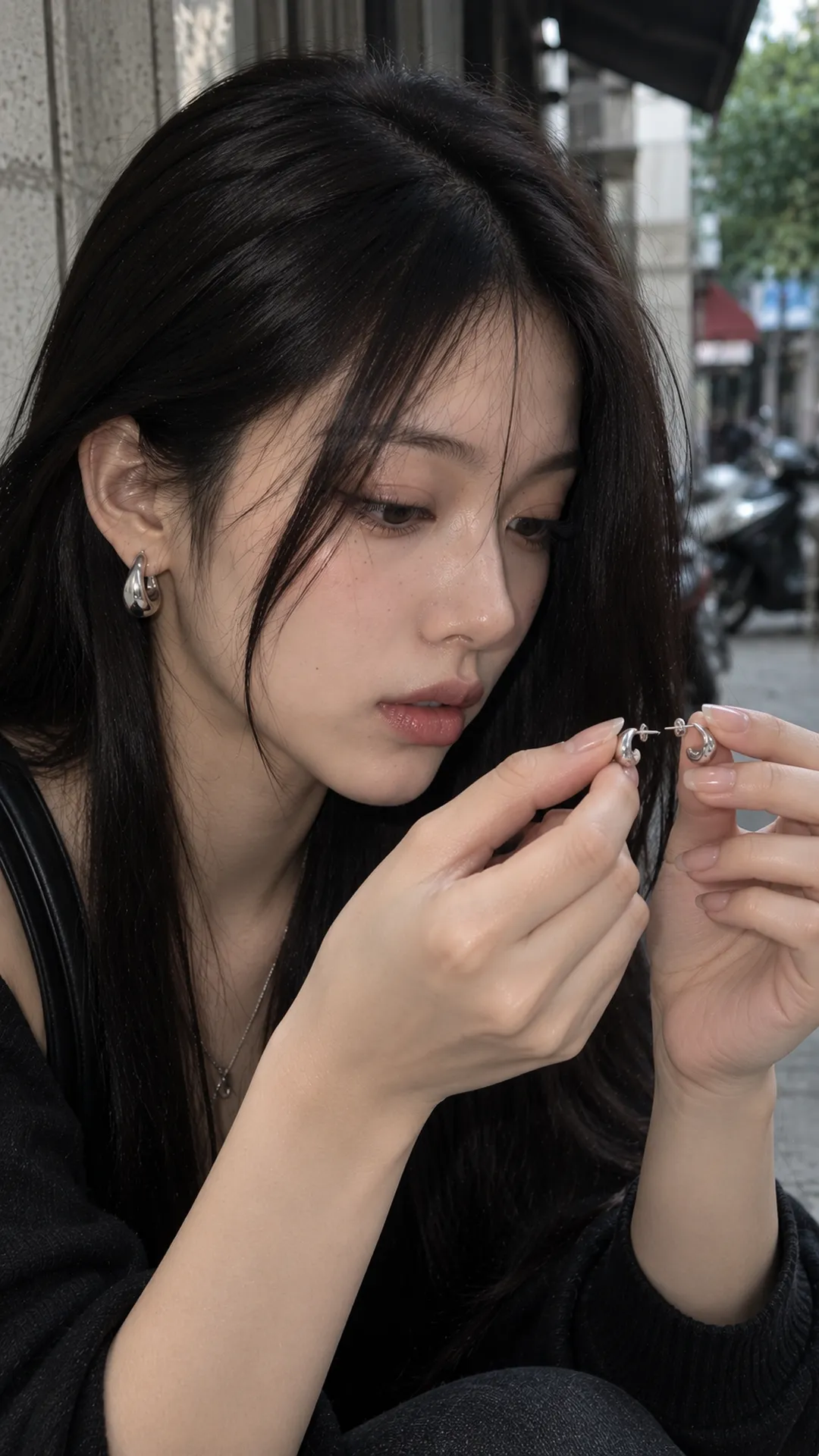
Care according to finish and attachments
Tiffany notes that sterling silver can tarnish through environmental and substance exposure. Tarnish does not independently prove counterfeit silver and is not a test of the wearer's health.
Follow the actual product's guidance, especially pearls, stones, coatings and intentionally dark finishes. Cleaner for plain silver may not suit every attachment. With uncertain construction, ask the seller or jewelry-care provider before soaking or polishing.
Store dry in a separate compartment to limit friction and lost backs, away from keys or sharp objects. Before reuse, check loose, bent or insecure backs rather than merely brightening the front.
Earrings worth keeping create your intended effect, have clear material information and work conveniently. Face shape is only one step; construction, hair, collars and your schedule determine actual suitability.