

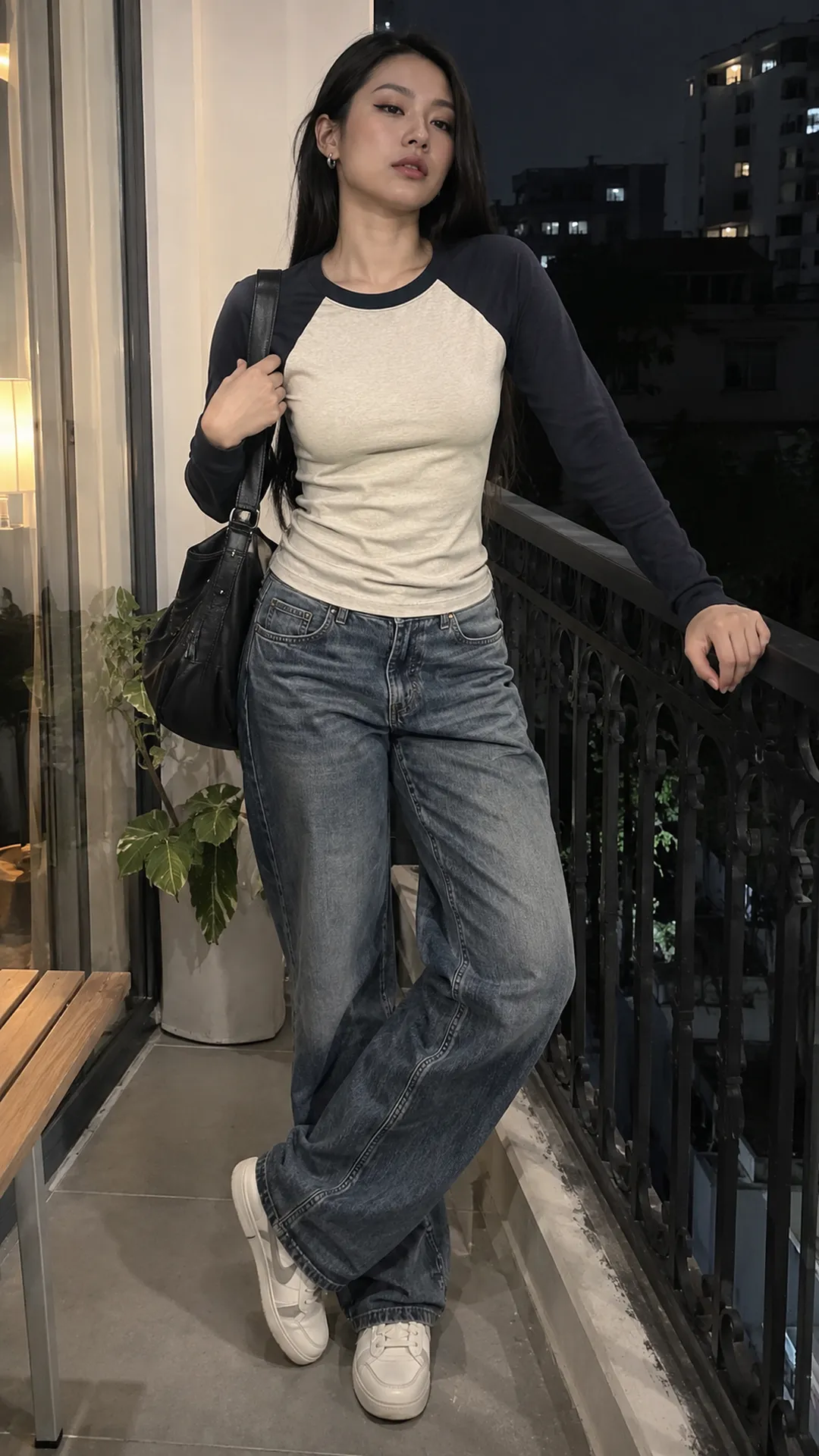
Decide what you need before shopping
Start with what you’ll do: walk, use machines, lift weights, change direction in a class, or exercise on a mat. A roomy top can feel comfortable walking and shift when you bend. Use your main movements to narrow the options.
Decide on coverage at the neck, arms, and waistband. Choose what feels comfortable in your workout setting, then check it when you raise your arms, bend, and sit.
Decide whether you’ll wear the top only while exercising or also in transit. A separate outer layer can make the outfit more flexible. See our athleisure guide for the difference between dressing for a workout and wearing activewear throughout the day.
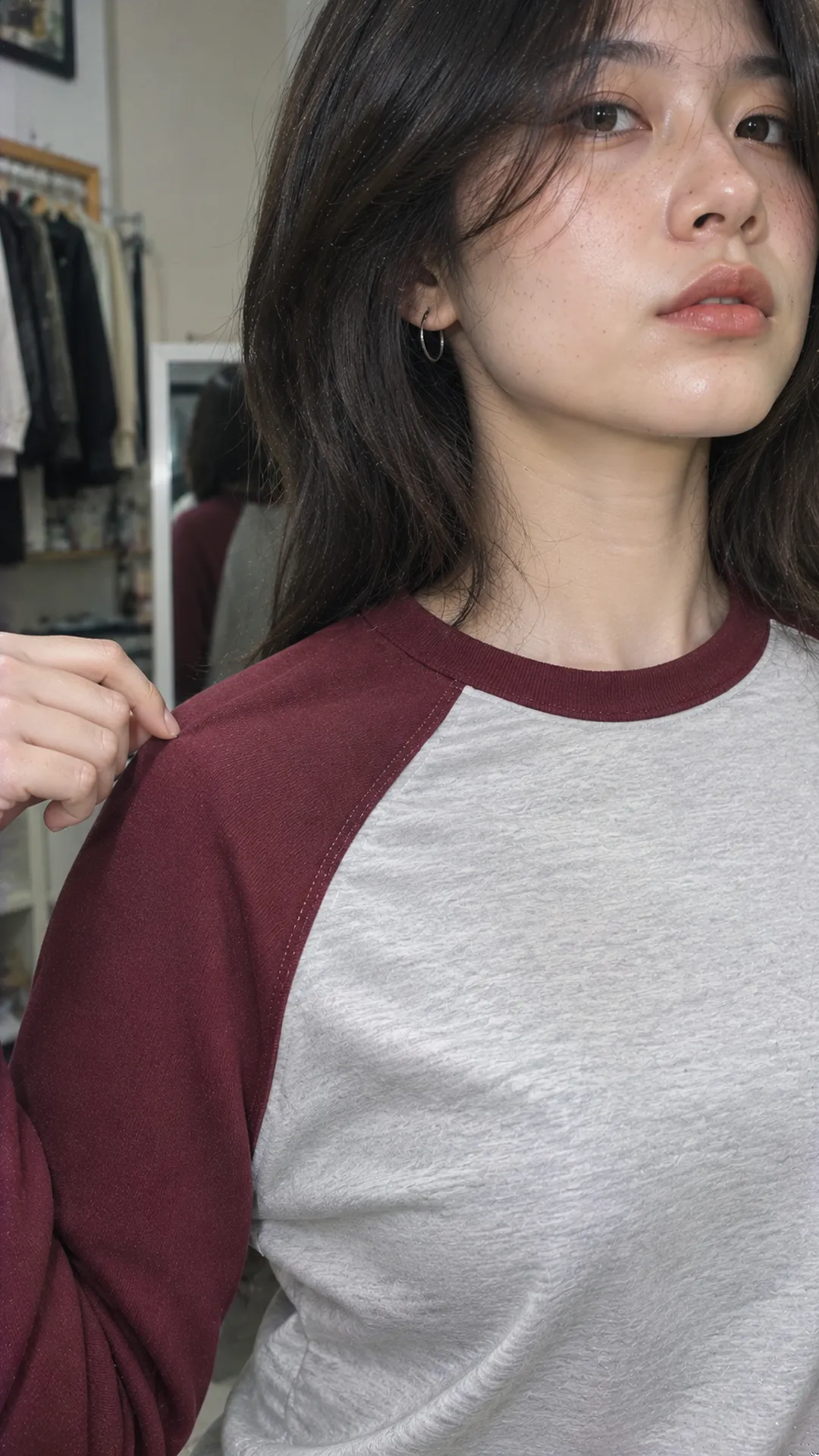
Types of women’s workout tops and what to check
Short-sleeve tees
A tee covers the shoulders and upper arms. Reach overhead to see whether the sleeves pull the body up. If the armholes are tight, try another cut before sizing up and adding width everywhere.
Try the hem with the bottoms you’ll use. A long top can bunch at the hips when seated or cover the waistband. A shorter one may ride higher than you want. Check the full outfit.
Tanks and sleeveless tops
Check the armholes and back. A top with good coverage in front can have deep openings at the sides or back. Try your underlayer and see where its straps and edges fall while moving.
Wide and narrow shoulders offer different coverage. Reach forward, gently rotate your shoulders, and put on the bag you’ll carry. Check that the edges stay in place without rubbing.
Fitted or cropped tops
A fitted top can keep the hem from swinging. Leave room to breathe and move naturally. Check the neck, underarms, and lower body for pulling even if the waist looks right.
With a crop, try pants with a rise you like and lift your arms. The gap can change in motion. Try another top length if you’d rather wear your usual rise.
Tops with built-in support
Some tops have liners, removable pads, or built-in support. Check the construction, intended activities, and any support guidance. Padding alone gives limited information about what the top is designed for.
Check the outer top and inner layer separately. If one fits and the other squeezes or shifts, try a different construction. A separate top and sports bra lets you fit each piece individually.
Long sleeves and light jackets
A long sleeve or light jacket can work on the way to the gym, in a cool room, or during warm-up. Choose one you can remove and store easily if the room warms up or your workout gets more active.
Zip up the jacket while wearing it and check the collar and chin. Avoid loading pockets enough to pull the jacket out of shape. Secure loose cords and hems around equipment.
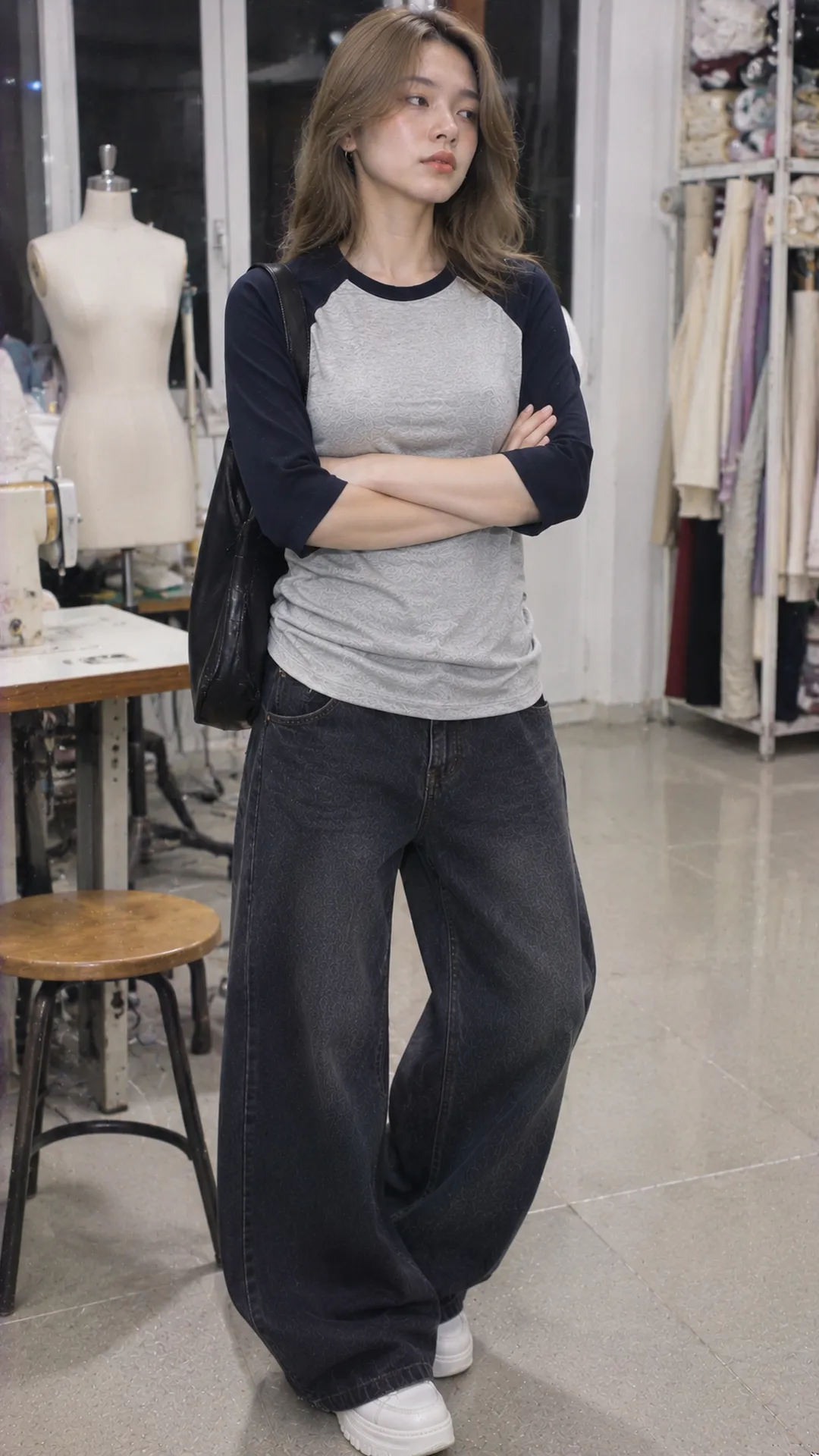
Choose tops for common workouts
Walking and light activity
Start with a tee or tank with room to move and wear it with tapered pants or shorts. Walk a little with your shoes and bag. Check that the hem, strap, and waistband stay clear of one another.
For outdoor activity, check the conditions before choosing a layer. Look for specific product details if you need sun or rain protection.
Machines and weights
Choose a top that lets you sit, lean back, and reach. Room at the shoulders with a slimmer body can be useful. Try the movement without weights to check for pulling at the back or underarms.
Remove or adjust the jacket for the exercise and the gym’s rules. Empty pockets where their contents press against equipment. Check that the top stays in place when you change position.
Classes with direction changes and overhead movement
Raise your arms, step sideways, and change direction gently. Check the neckline, hem, and underlayer. If you like a roomy top, bend to see whether fabric comes up near your face.
For sweaty sessions, Decathlon recommends checking moisture management and fabric weight. Check those details for the specific top you’re considering.
Mat workouts
Check the neckline and hem in comfortable versions of the positions you use. A roomy top can work if you don’t have to hold it in place. Consider changing a top with a zipper, button, or thick seam at a point that presses into the mat.
Try the two pieces seated and bending. A high waistband can push a hem into a roll even if the top fits alone. Change the cut or hem position before adjusting colors or accessories.
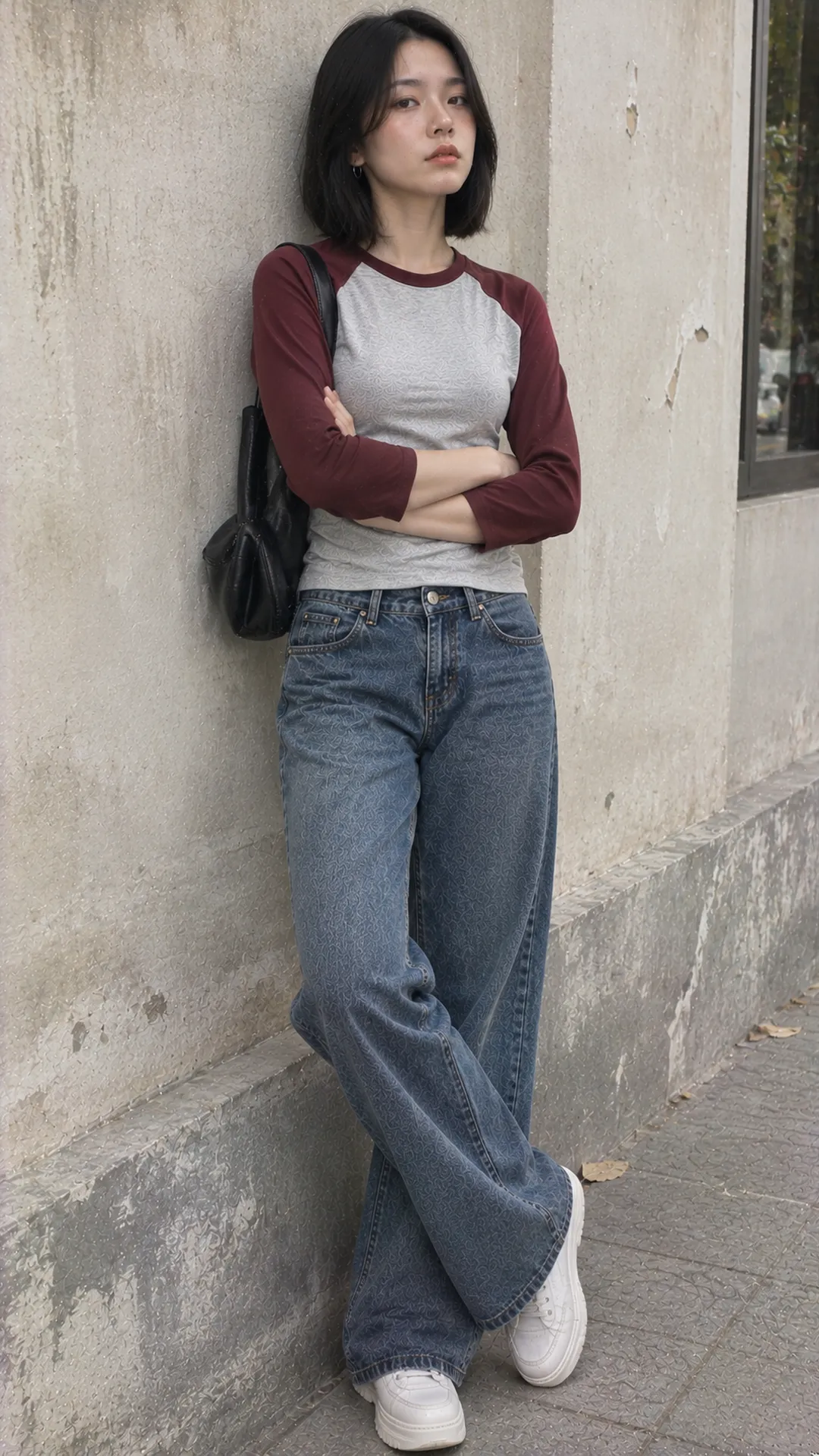
Build a workout outfit from pieces you own
Start with a piece that fits and works. With dark pants, try a light solid top or a related shade. If the bottoms have a bright color or several seams, a plain top keeps the outfit simple.
A loose top and tapered pants are easy to try. Two loose pieces can work if the hems, waist, and shoulders stay in place. Two fitted pieces still need a hem and waistband that sit smoothly together.
For proportions, see our guide to women’s tops by cut. Compare shoulders, width, and length after checking comfort during the activity.
A matching set is quick to style. You may need different sizes for the top and bottoms. If they come in a fixed set, check both measurements and the exchange terms first.
Check product information and claims
Read claims about breathability, weight, fit, and stretch in the context of the material, knit structure, lining, and cut. Look for back and armhole photos and measurements alongside the front image.
Check specific manufacturer claims and their limits. A close fit alone gives little information about shaping, and padding alone gives little information about support. Look for a comfortable fit that stays in place during your workout.
Try your usual underlayer and check opacity in good light. Stretch can change how much shows through. Check the sides, back, and chest when you reach.
When buying online, distinguish garment and body measurements. Compare shoulder, bust, and length with a top that fits. Ask about the inner layer and adjustments if the top has several layers.
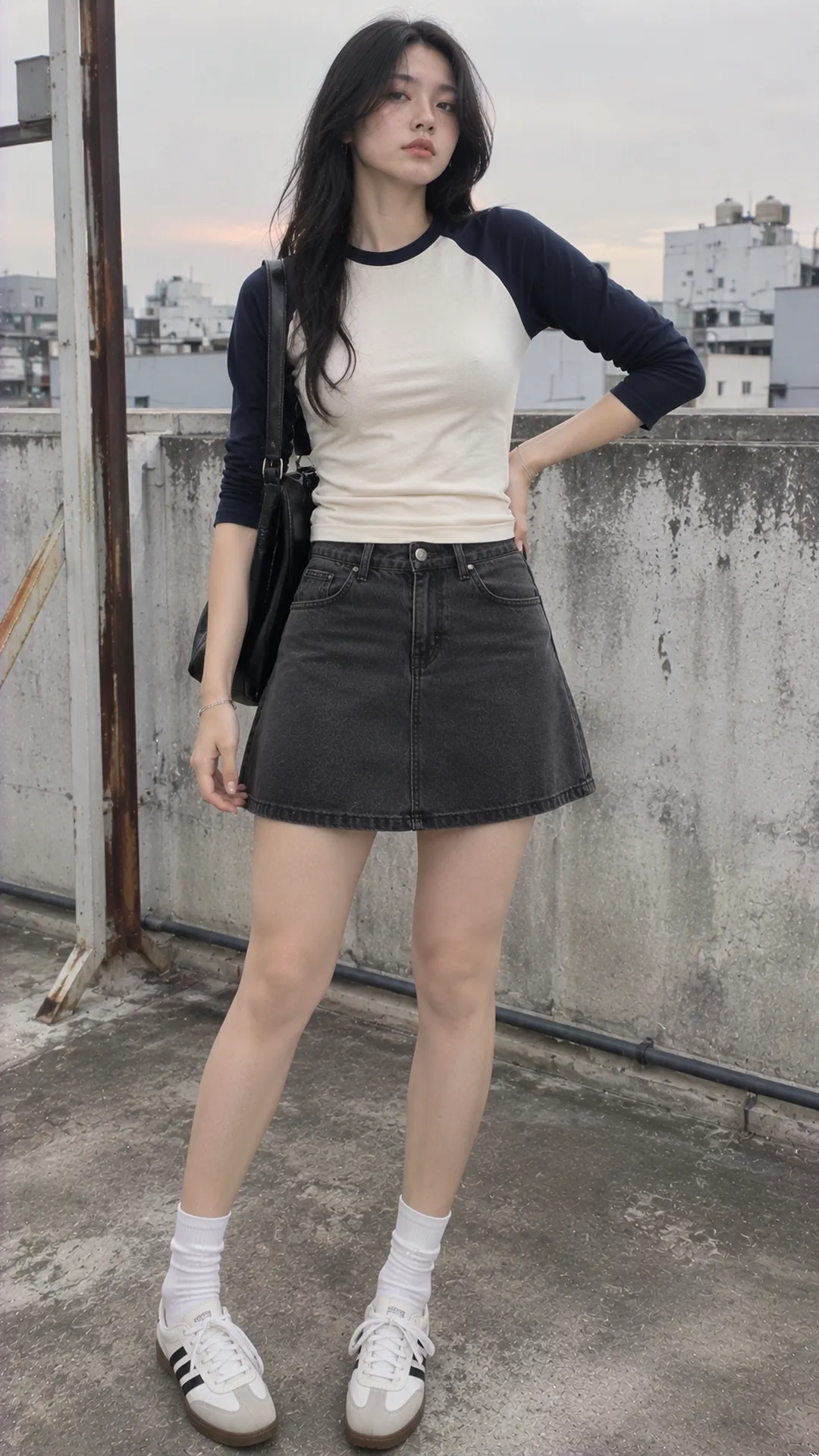
Going from the gym to the rest of your day
Pack a clean top and a light layer for after training if you need them. Think about whether your clothes are dry and appropriate for where you’re going before adding accessories.
If you want to wear athletic pieces casually, our guide to sporty chic styling covers cut and accessories. A plain workout top can be a base for a casual outfit. Check the garment separately for the activity you plan to do.
Before buying, write down which pants work with the top, when you’ll wear it, and how you’ll wash it. See our item-by-item styling guides to organize what you own. Build one outfit that works and add pieces as you need them.
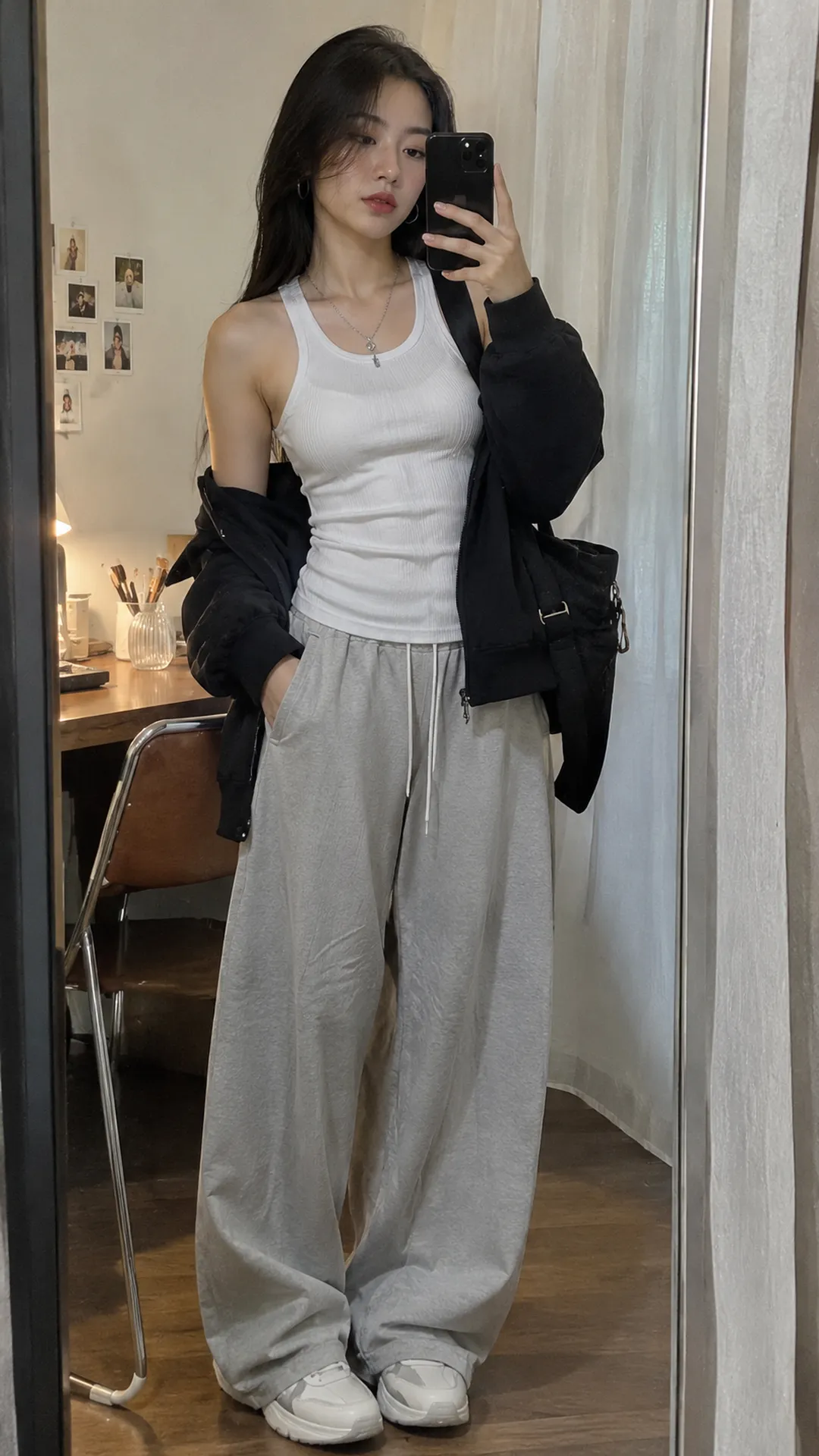
Try the full outfit before keeping the top
Wear the full outfit, lift your arms, step sideways, sit, and bend gently. Check the neck, hem, armholes, and underlayer, then try taking the top off. Change size or cut if you keep adjusting the same area.
Follow the care label, including instructions for removable pads. Check seams, edges, and shape after repeated use. A top that stays comfortable, covered, and in place gives you a base you can wear again.