

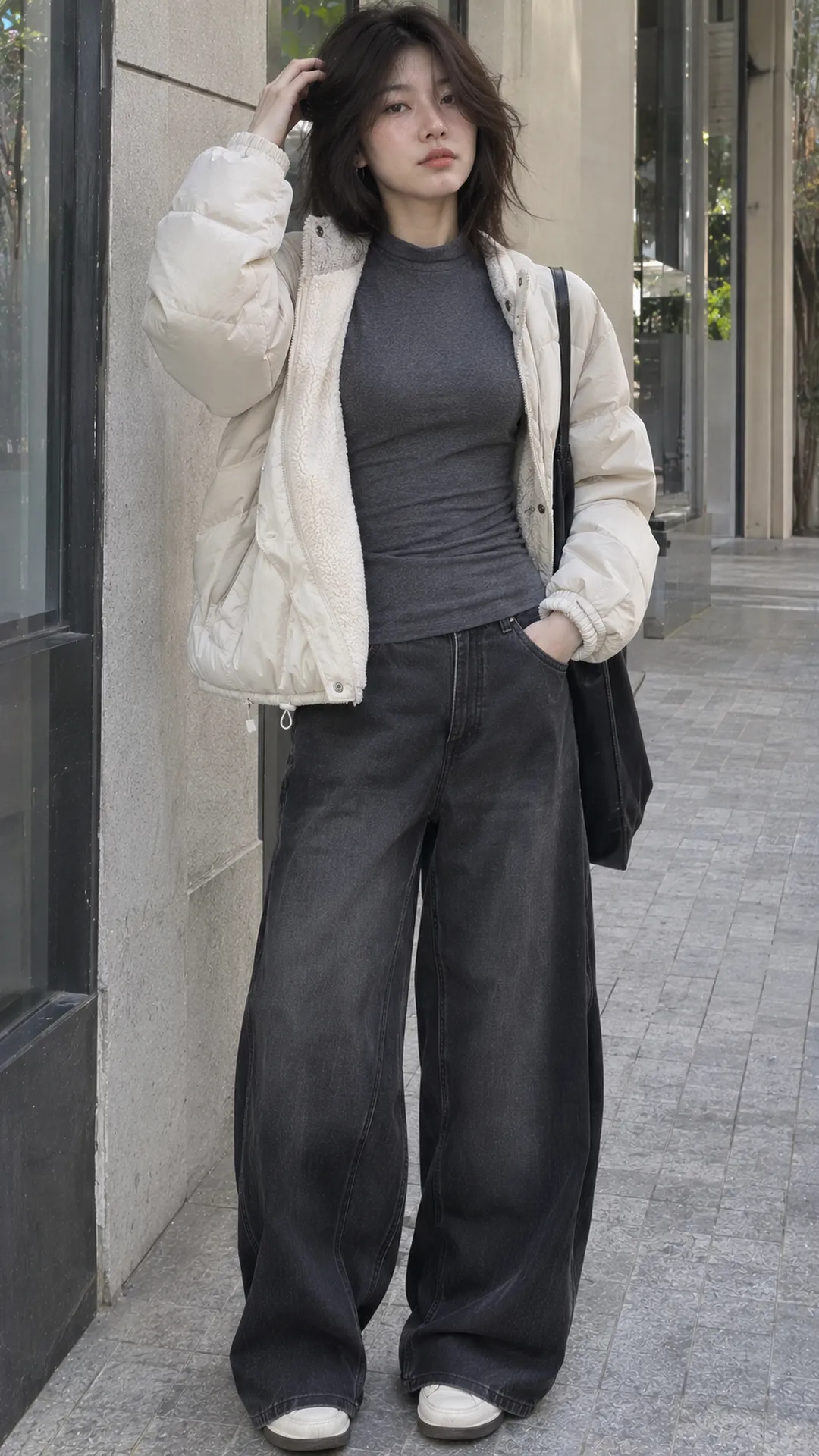
Base layers, brushed interiors, and fleece outerwear
A top sold as a base layer generally needs to sit smoothly under other garments, though how closely it fits depends on the design. A fleece jacket or sweatshirt worn on the outside may need extra room for layers underneath. Check what each garment is designed to do when you see fleece in its name.
Look at photos of the inside and the seams. A short, brushed nap may come from the fabric itself. If a seller says a top is fleece-lined and the photos are unclear, ask whether the interior has a brushed finish or a separate layer of fabric. That will give you a better idea of the thickness and how the top will sit underneath other clothes.
For a specific example, see UNIQLO’s HEATTECH page for its 2023 collection, where the brand describes a softly brushed interior for its Extra Warm range. That description applies to the line shown on the page. Construction and performance vary across thermal tops.
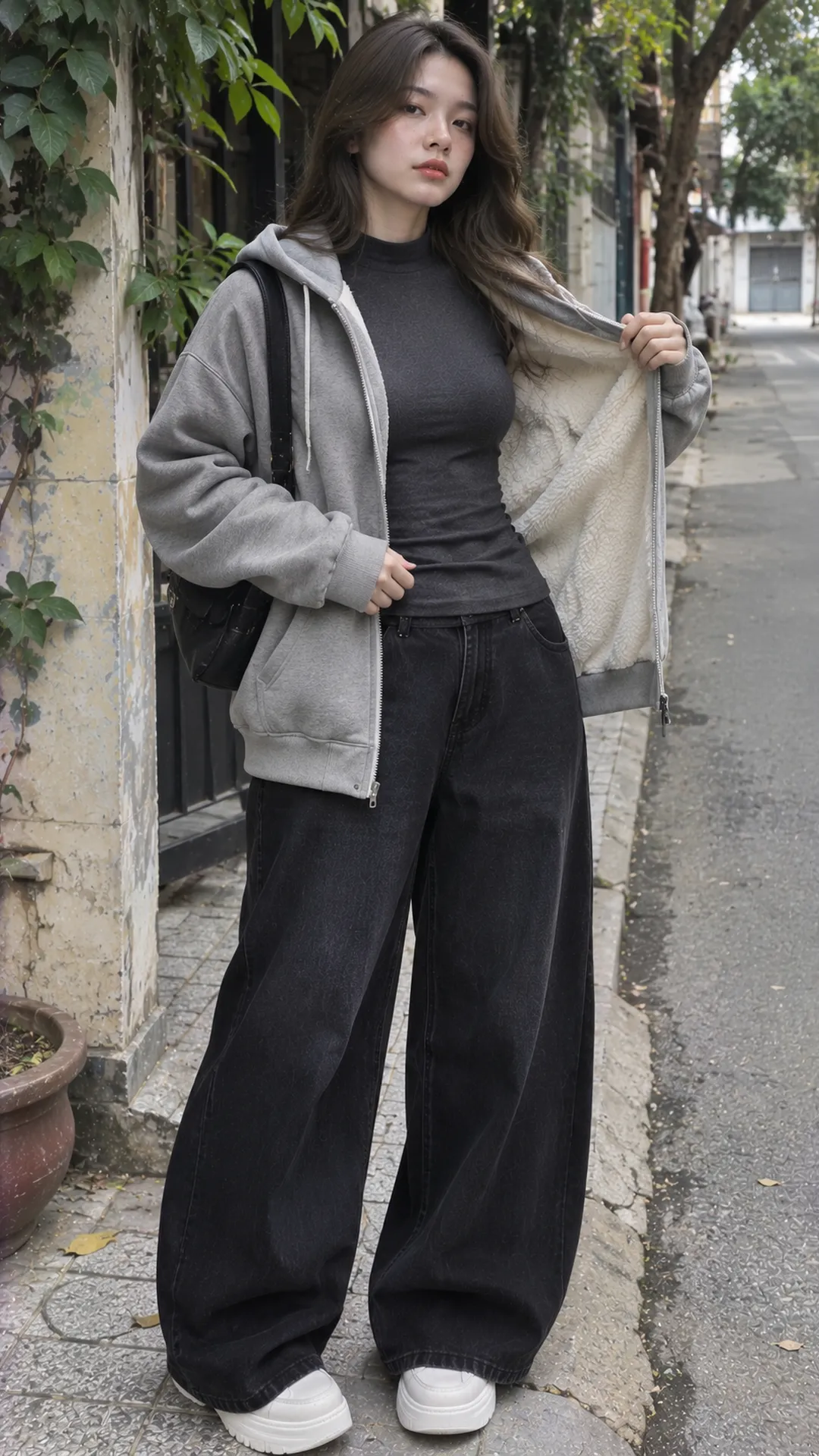
Choose for your surroundings and activity level
Think about a typical day. Do you spend most of it indoors, move around outdoors, or go back and forth between the two? Several removable layers can give you more flexibility than one thick layer. Choose for what you actually do during the day when comparing products labeled extra warm.
If you sit for long periods in a cool room, you might want a soft, low-bulk layer that lies flat against the back of a chair. If you walk a lot, try the full outfit and see how quickly it feels stuffy. Pick a thickness you can wear comfortably without spending most of the day removing layers or pulling at the neckline for air.
A product name alone gives you no exact outdoor temperature rating. Comfort also depends on the rest of the outfit, wind, humidity, time outdoors, and activity level. If the brand publishes test conditions or a suggested range, read it in that context and consider how closely it matches the way you’ll use the top.
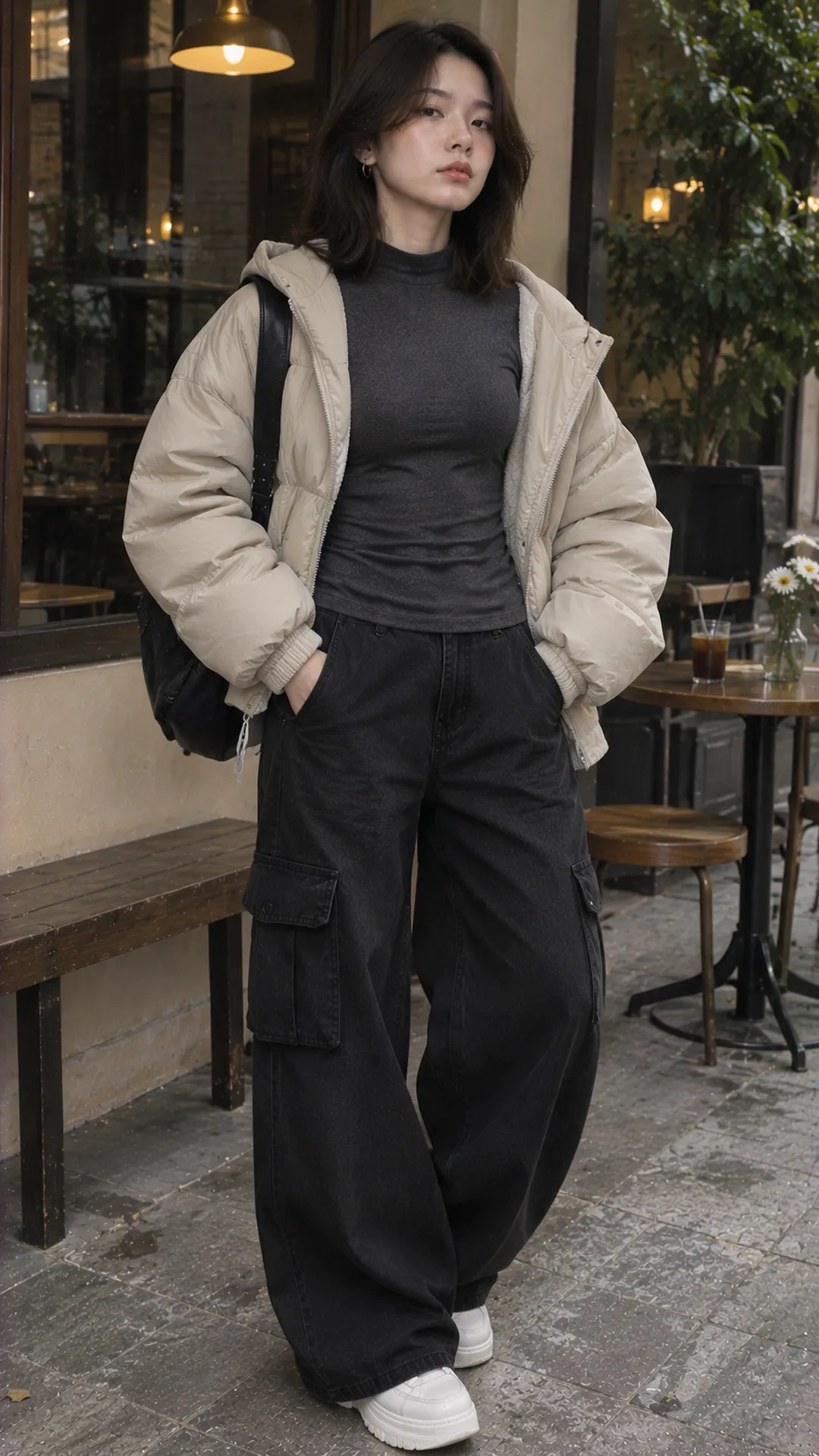
A close, comfortable fit makes layering easier
A base layer should be slim enough for the outfit you have in mind and comfortable enough to stay in place without constant adjustment at the hem or underarms. Reach forward, raise your arms, and sit down. Check the neck, shoulders, upper arms, and body together, since the fit can vary across those areas.
A loose top can bunch under a close-fitting outer layer at the underarms, waist, or back. If it’s too tight, the seams and neckline may feel uncomfortable. When the proportions of the shoulders, sleeves, and body are off, try a different cut as well as a different size.
When shopping online, distinguish body measurements from garment measurements. Our guide to choosing a clothing size online helps you use the right chart. If you’re comparing it with a top you own, choose one with similar stretch and a similar purpose. A roomy jacket will fit differently from a base layer.
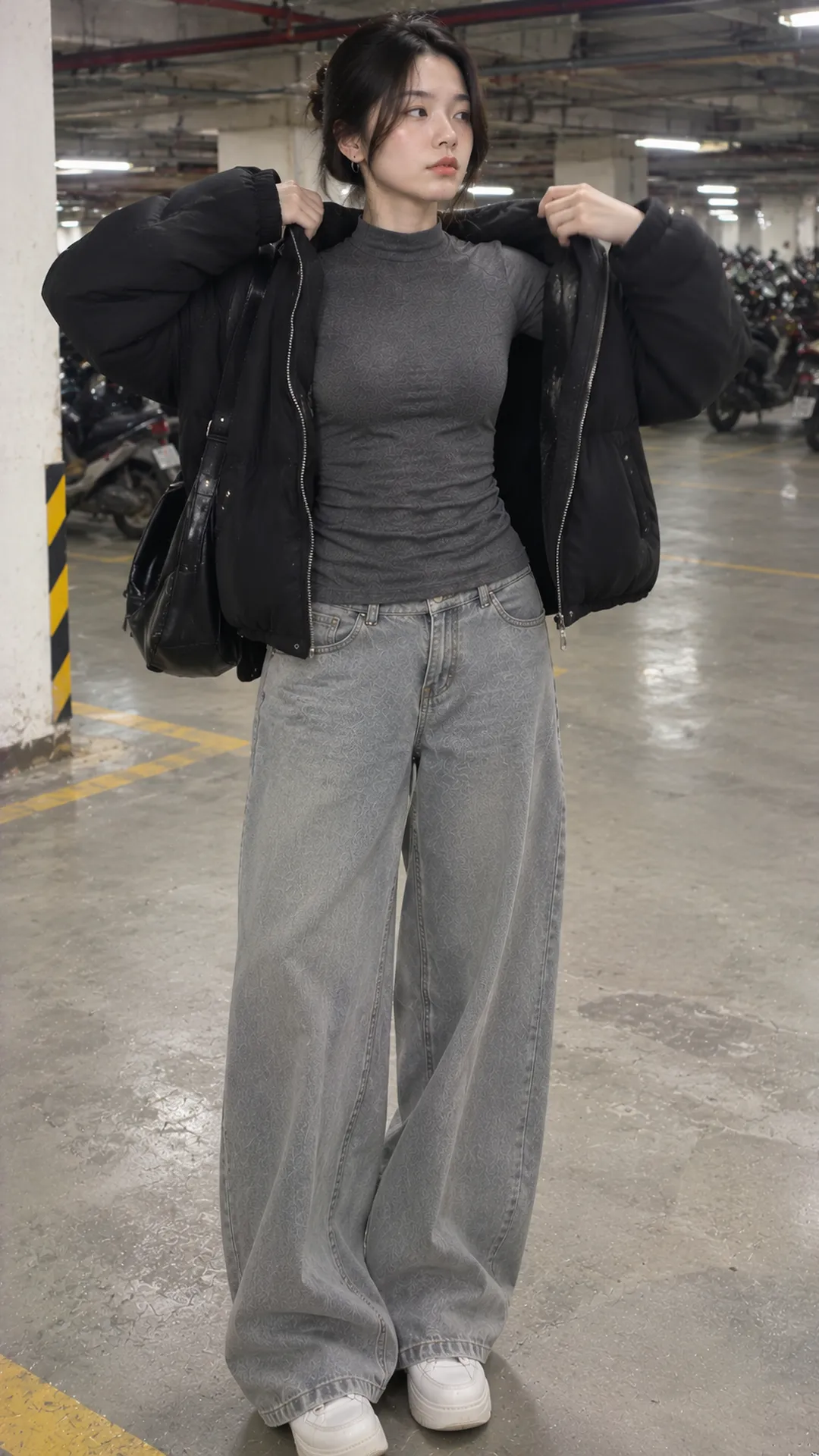
Check a crew neck against your outer layers
A crew neck that sits close to the base of the neck can work when you want the base layer to show or you’re wearing it under a similarly high neckline. A wider opening can sit discreetly under other tops. Check the depth on your own body, since a model photo only gives an approximate idea of where the edge will sit.
Try it with the piece you plan to wear over it. If the two necklines sit close together at different heights, see whether you like the visible edge. You can make it an intentional detail or choose another neckline that sits where you want it.
Bend and turn your head to check the neckline and see whether the shoulder seams shift. If you want the base layer hidden under a button-up, try it both with the collar closed and with the buttons you usually leave open. The trim color and thickness can affect how much shows through light-colored fabric.
How sleeve and hem length affect comfort
Choose sleeves according to whether you want them hidden under the next layer or showing slightly. If they’re long enough to need several rolls, they may bunch at the wrist under a jacket. If they’re short, raise your arms to see how far they ride up.
Look for a hem long enough for your usual activities, especially if you tuck it in. Sit down and stand up a few times to check for rolling or slipping. An overly long top can bunch at the waist under mid-rise pants, while a short one may need frequent adjustment.
If you wear the top untucked, see where it ends in relation to your jacket. Two hems close together can create a horizontal line you might want to change. Try pieces of different lengths or tuck the top in if that feels comfortable. Judge the length by how it works in the outfit you’ll wear.
Give each layer a job
Start with a thermal base layer, add a middle layer if needed, and choose outerwear to suit the occasion. Some days two layers are enough. Our guide to layering an outfit helps you decide the purpose and fit of each layer before you coordinate colors or add accessories.
Your outer layer should have room for the pieces underneath and let you reach and zip it up comfortably. Try everything on together, especially if the thermal top has a thicker interior than a regular T-shirt. A jacket that fits well over a thin top may feel different over a thicker base layer.
If you often move between spaces at different temperatures, make it easy to take off a layer. Check the outfit without the outer layer to see whether the color, coverage, and neckline suit the place you’ll be. Try the combinations you’re likely to wear for most of the day.
Layer with shirts, sweaters, and jackets
Under a button-up, check the neckline trim, sleeves, and any light fabric that may show the base layer. If you want the thermal top to blend in, test the color under the actual shirt. Lighting and the thickness of a white shirt can still make a white base layer visible.
Under a sweater, check room at the underarms and upper arms so two close layers don’t restrict movement. If the sweater has an open neckline, decide whether you want the base layer to show. A visible edge can be part of the outfit if you like the effect and it lies flat.
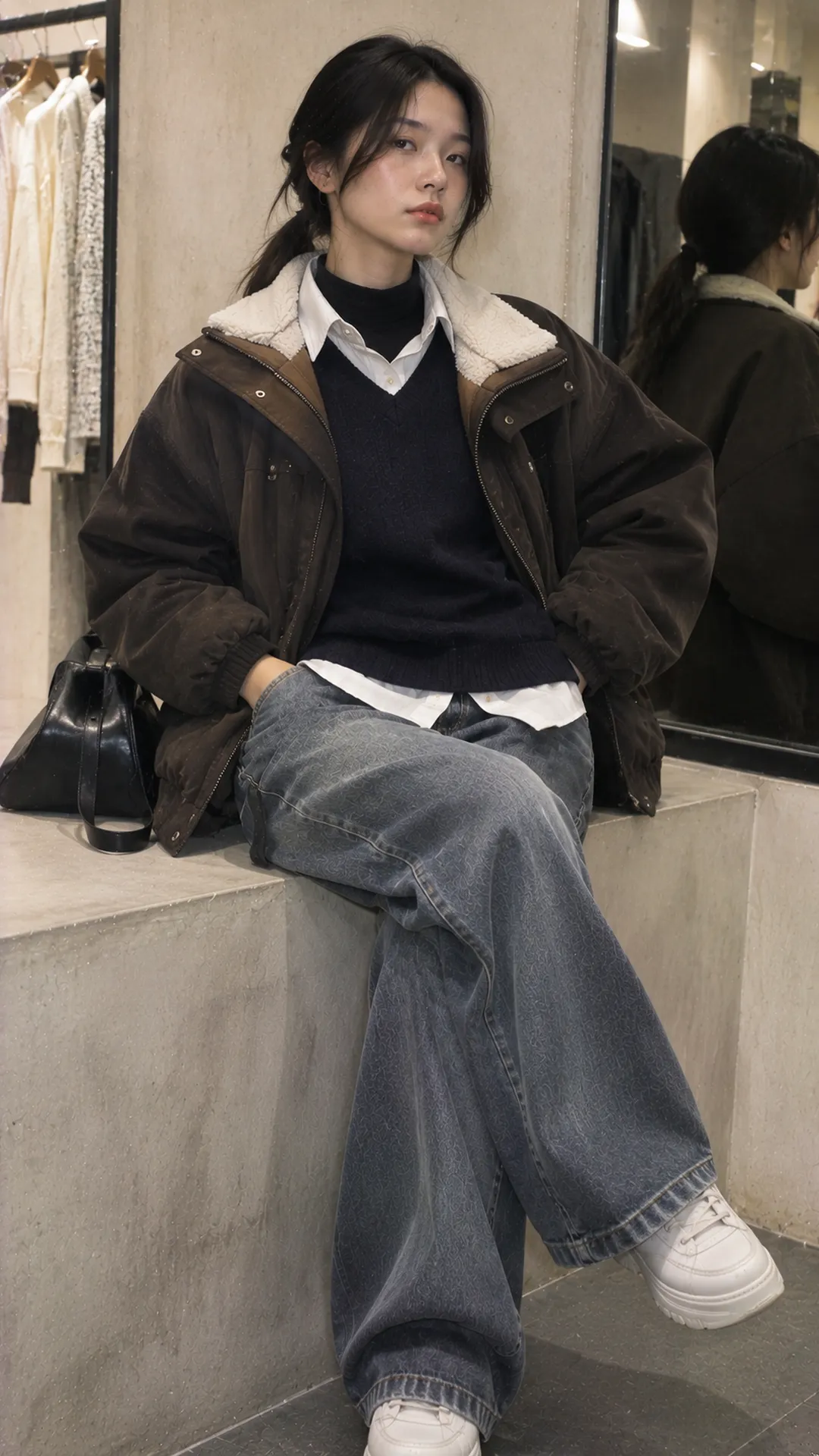
Check the fit under a jacket with it open and closed. For help choosing a different cut, see ways to style women’s tops. Leave room to move at the shoulders and arms, and avoid stacking multiple hems or waistbands where they can press into the waist when you sit.
Check materials and features for the exact style
Check the fiber content, stated thickness, inside surface, and care instructions. If the product claims to retain heat or use a special finish, look for the manufacturer’s explanation. Features can vary among styles from the same brand.
A soft feel in your hand is only one part of comfort. Try the top on to see how the seams, tag, and neckline feel. A garment worn against the skin should feel comfortable to you. If it rubs or itches, pay attention even if the product description calls it soft.
If you start to sweat or feel stuffy, adjust your layers and reconsider the thickness. Thermal tops vary in how dry or breathable they feel and which activity levels they suit. For a specific activity, look for product information that addresses it directly.
Try it on before deciding whether to keep it
Try the top on within the store’s return policy and keep the tags if you may return it. Wear it with your usual pants and jacket, then make the movements you commonly make. Lean back in a chair, reach, and carry a bag to see where the fabric pulls or bunches.
Look in the mirror and spend a short time moving normally, within the return policy. This helps you find obvious fit and layering issues. If the top only feels right when you stand still or needs constant adjustment, consider another cut before removing the tags.
For an outing, think about how far you’ll walk and where you’ll put any layer you take off. The guide to choosing outfits for different outings helps you put together an outfit for the whole itinerary. Look for a base layer that makes it easy to move and works with the pieces you’ll already be carrying.
Follow the label for washing and storage
Read the care label before washing, paying particular attention to temperature, tumble drying, bleach, and ironing. A thermal top with a different fiber blend may need different care from fleece outerwear. If instructions are missing or unclear, ask the seller before using heat or cleaning chemicals.
Wash the top as directed and check that it’s properly dry before putting it away. Avoid stretching it to change the size or using high heat in the hope it will shrink to fit. If the interior or seams change with use, note how you washed the top so you can discuss it with the seller if needed.
A fleece-lined thermal top works well when you know how it’s made, the fit is comfortable, and the thickness suits your routine. Choose one that works with clothes you own, lets you adjust warmth with your outer layers, and comes with care instructions you can follow.