

What Is a Choker? Choosing for Your Outfit and Neckline
A choker is a necklace worn close around the neck. Its clear horizontal line near the face makes neckline and outfit proportions useful starting points for choosing one.
A thin cord above an open neckline differs from a broad leather band beside a high collar. This guide considers width, material, charms, neck space, and Goth, E-Girl, or alternative combinations without accessory overload.
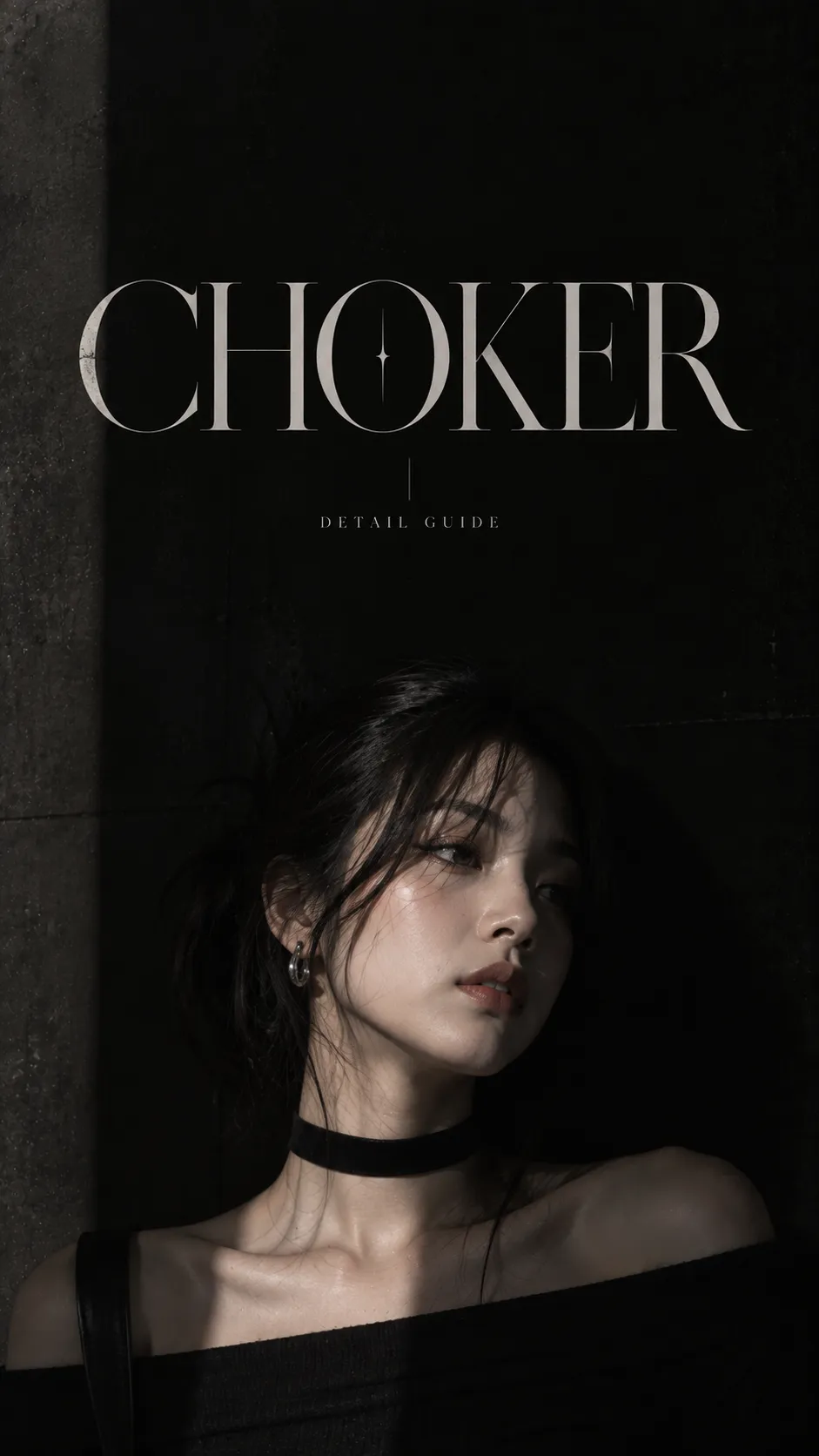
Guide collection: Women's Alternative Fashion Accessories (Vietnamese)
What Is a Choker?
A choker sits high around the neck rather than falling onto the chest like a pendant necklace. Its horizontal position means a choker necklace changes the visible space between chin, neckline, and shoulders.
A thin ribbon, leather cord, or plain metal band can be restrained. Wider bands, O-rings, studs, chains, and charms add emphasis. More hardware is not automatically more alternative; balance it with the neckline, hair, makeup, and other accessories.
Chokers often appear in Goth and E-Girl outfits but are not exclusive to them. A slip dress can suggest Dark Feminine, a blazer and tank city-alt, and lace a romantic direction. The alternative fashion accessories guide covers the wider accessory system; this guide focuses on the neck area.
Width: Larger Chokers Need More Visual Space
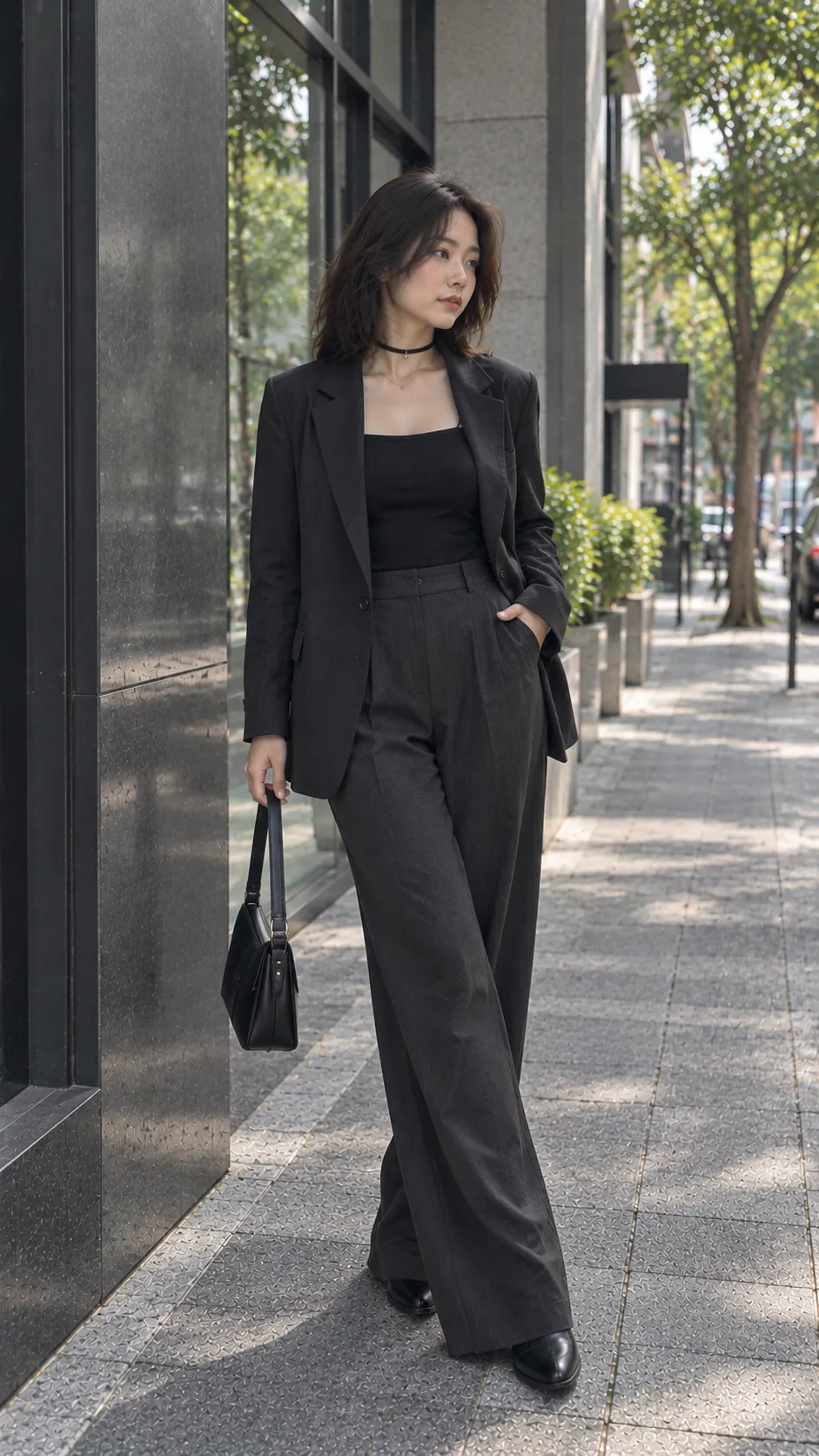
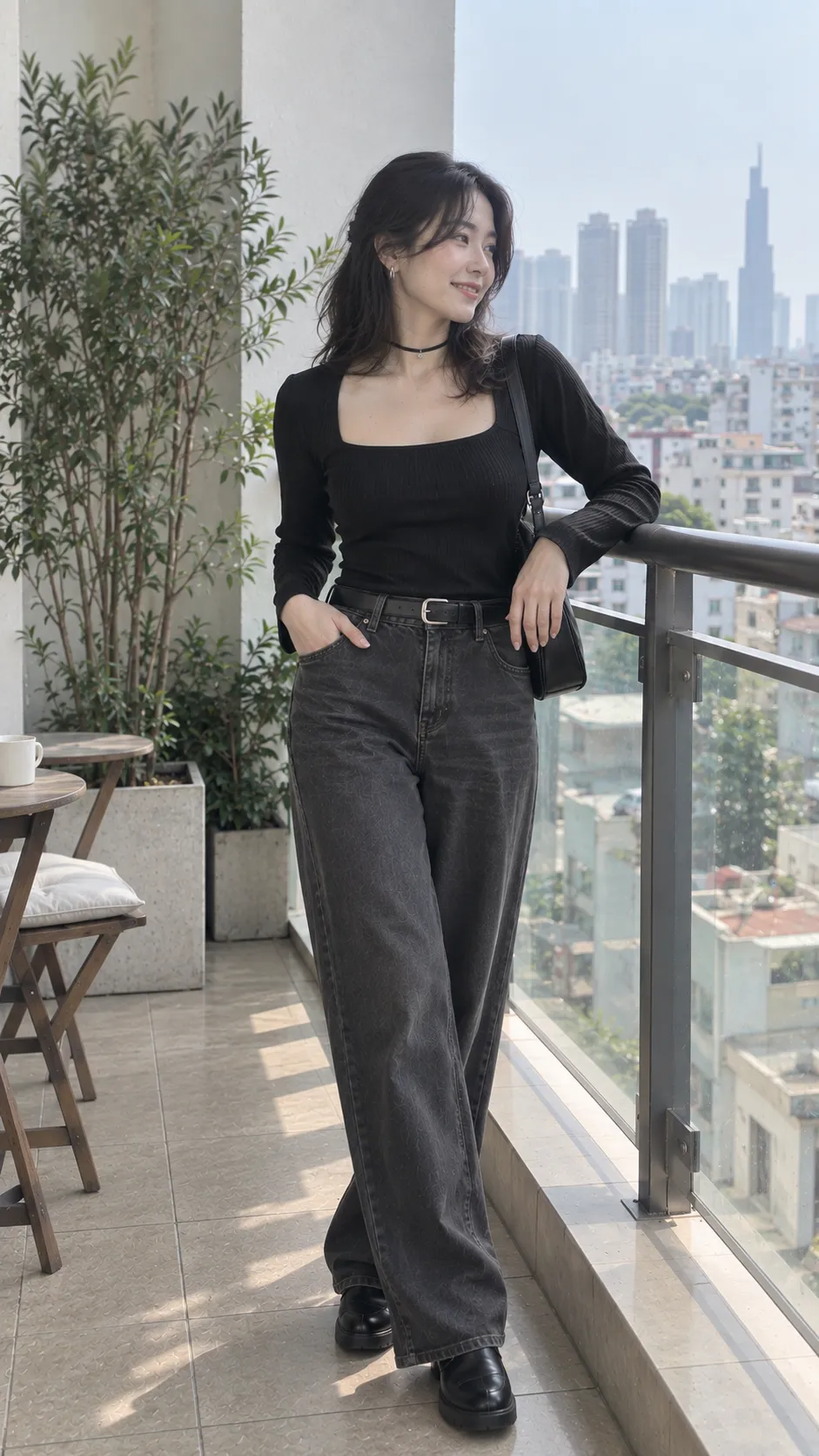
Neck length does not impose a forbidden width. Thin bands and open necklines can create more visible space; broad bands can deliberately make the neck a focal point. Choose the effect you want.
A Neckline Map for Chokers
Lace, ruffles, ties, and zippers already emphasize the neckline. A simpler choker may complement them, while plain tops leave room for stronger hardware. Choose one leading detail around the neck.
How Materials Change the Mood
Velvet and ribbon can connect with Romantic Goth, dark Coquette, satin, or lace. Plain leather echoes belts, boots, or biker jackets. Metal chains can suggest industrial, E-Girl, or cyber references depending on scale.
Studs and spikes can reinforce Punk references but may compete when repeated on every accessory. A studded choker with a fitted top, straight jeans, and simpler boots leaves it room to lead.
Hearts, crosses, stars, or abstract charms change the mood without changing the band's silhouette. Choose deliberately rather than collecting every symbol; a larger charm may balance with a thinner band.
Layering a Choker with Other Necklaces
Try a choker, a short chain below the collarbone, and a longer pendant, leaving visible differences in length rather than one crowded cluster.
Let one necklace lead. A medium leather band and two thick chains may feel dense; thinner supporting chains can be easier to distinguish.
Exact metal matching is optional. Repeat silver and gold deliberately if mixing them; silver often connects with belt hardware, bag zippers, and dark boots in Apocalypse Closet outfits.
Hair also frames the neck. Thick loose hair may hide a small band, while an updo makes the same piece more prominent. Choose scale for how you will actually wear your hair.
Nine Choker Outfit Directions
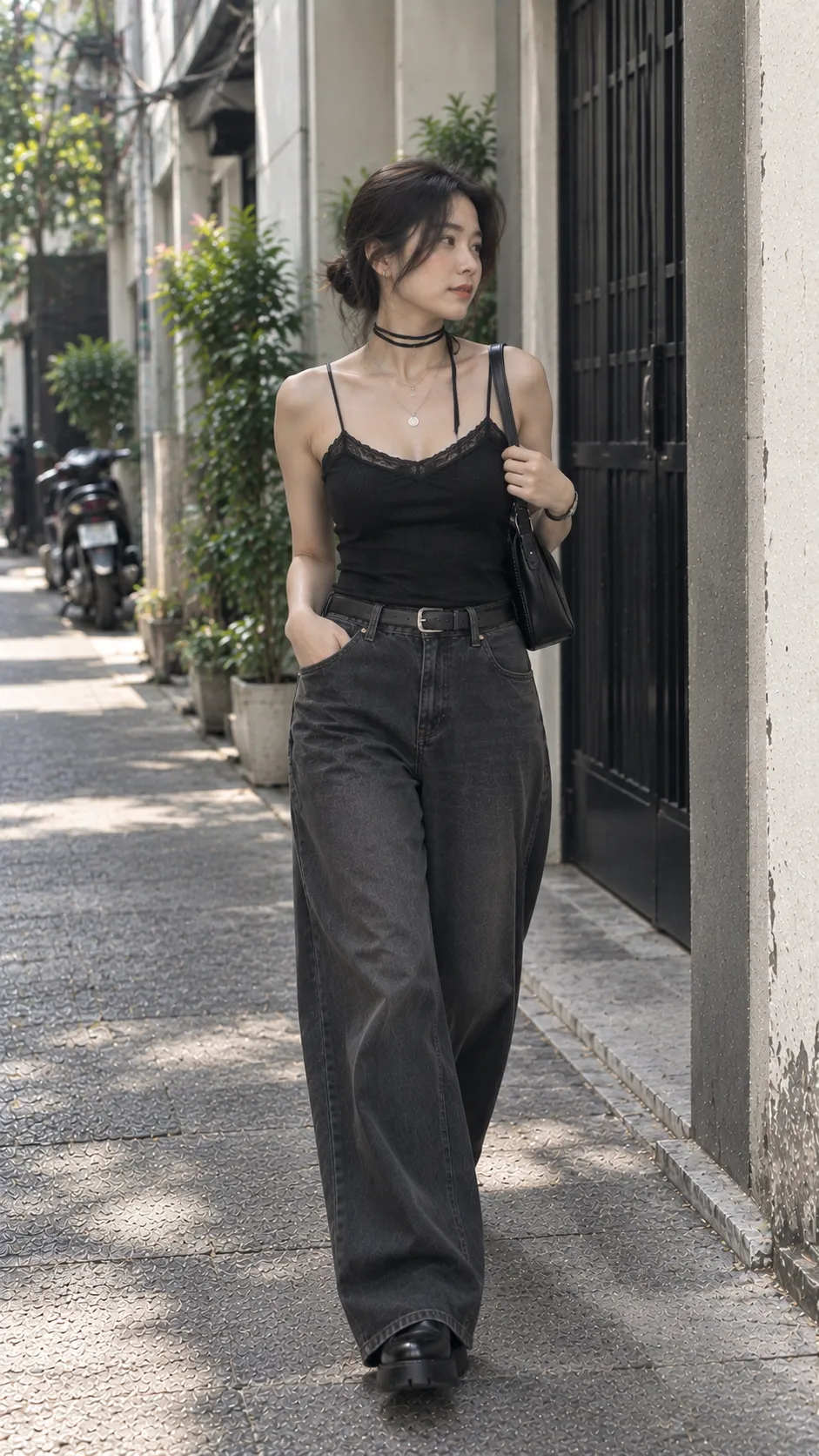
Tank and Cargos
A fine leather or chain choker can echo a silver belt in a street-oriented outfit.
Slip Dress
Velvet or ribbon contrasts with satin; boots can make the look less formal.
A graphic tee
A small choker adds a reference without competing with the graphic.
Corset Top
A structured top may need a cleaner or thinner band.
Blazer and Tank
Leather or metal can introduce a city-alt detail.
Mesh Top
With dense pattern, a plain band anchors the neckline.
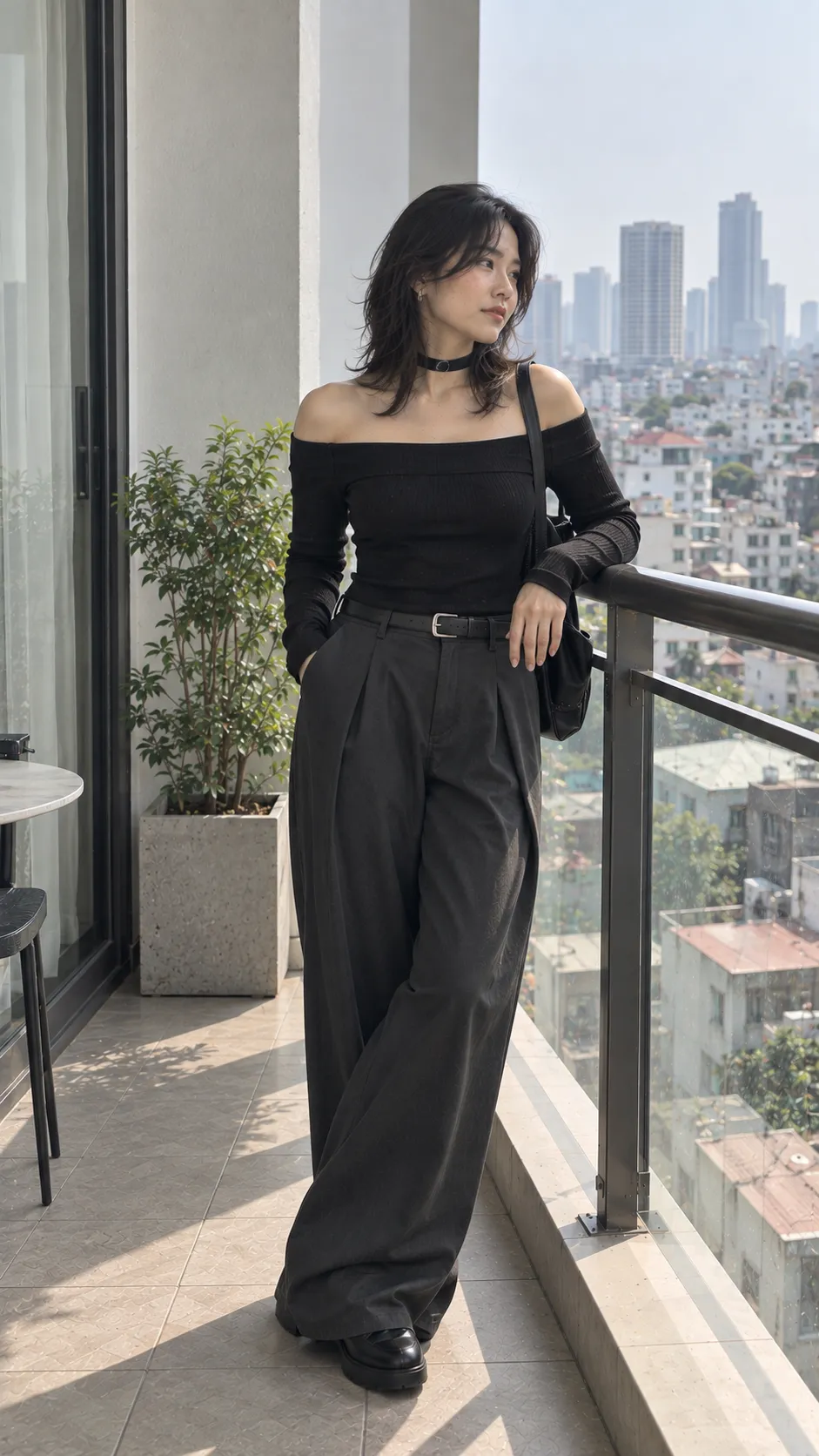
Off-the-Shoulder Knit
Open shoulders leave space for a medium band or small pendant.
Open Zip Hoodie
The choker contributes when visible; a closed neckline can hide it.
Mini Dress and Boots
A broad band can lead when the dress and earrings are simpler.
For broader E-Girl styling, read E-Girl / Alt Girl (Vietnamese) before adding a choker to an unrelated outfit. For Goth, see goth style guide to distinguish an accessory from the complete aesthetic.

Fit and Comfort
A choker should remain secure without breathing restriction, pain, numbness, or constant adjustment. Check fastenings and adjustment chains on non-stretch bands. Turn, bend, and raise your head to test the edges.
Rigid broad bands can meet the chin when bending. Softer or thinner pieces may suit desk work or frequent movement better. Heavy charms can pull forward, so assess weight as well as length.
Consider materials in prolonged skin contact. If a piece causes itching or redness, remove it rather than tolerating irritation for the outfit. A suitable fabric ribbon or short necklace may offer a similar visual alternative.
Six Common Choker Styling Mistakes
1. Wide Band, High Neckline, and Dense Hair
Reduce one crowded neck-area element if you want more visible space.
2. Strong Hardware Everywhere
Studs on the choker, belt, bag, and boots can compete; selective repetition may be enough.
3. Identical Necklace Lengths
Separate the layers so they do not collapse into one cluster.
4. Ignoring the Collar's Surface
Matching color and texture can hide the accessory. Different materials or metal can create contrast.
5. Rigid Neck-Shape Rules
Choose the intended effect rather than assuming a neck shape cannot wear a particular width.
6. Sacrificing Comfort
Change size or necklace type if close contact feels uncomfortable.
Consider the Whole Outfit, Not Only the Neck
A broad choker can balance substantial boots, belts, or bags. With a delicate slip and small flats, it may become the single upper focal point. Both can be deliberate choices.
A thin choker can contrast with oversized clothing; a wider band can strengthen a fitted outfit's horizontal lines. With large blazer shoulders or long coats, surface contrast helps it remain visible.
Choker Color Does Not Require a Skin-Tone Rule
Black, silver, gunmetal, burgundy, white ribbon, or velvet can work across skin tones according to the outfit palette. Increase contrast to emphasize the piece or use a quieter finish for subtlety.
Purposeful repetition can be more useful than supposed flattering-color rules: burgundy with a bag or lip, silver with rings and zippers, black velvet with shoes. One connection may be enough.
When Can You Skip the Choker?
A high collar, neck tie, large bow, or neckline hardware may already provide sufficient detail. Compare the outfit with and without the band. Omitting it can improve clarity without removing the alternative direction.
Chokers and Outerwear
Open leather jackets, blazers, and cardigans frame a visible choker. A closed hoodie, scarf, or high coat collar can hide it; earrings, rings, or bag hardware may contribute more in that situation.
Thin bands can contrast with large lapels, while quieter jackets leave room for medium widths or hardware. Assess the outfit with outerwear on as well as the base layer.